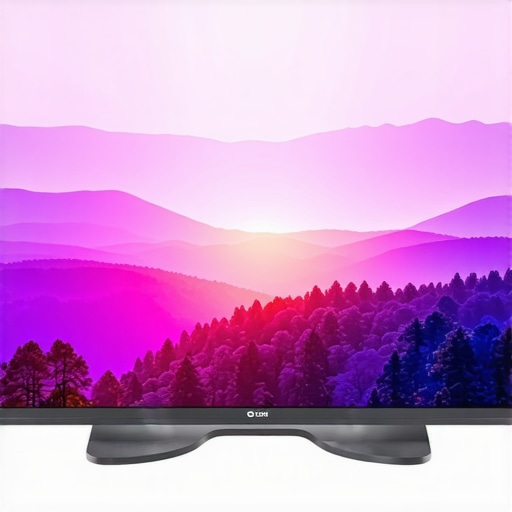
I remember the first time I watched a movie on my new Mini LED TV, expecting that jaw-dropping contrast and vibrant colors I’d heard so much about. Instead, I was met with dull scenes that lacked depth and punch. It was like my TV was holding back, hiding its true potential. That lightbulb moment made me realize: if I want those vivid, cinematic visuals, I need to understand how to truly maximize HDR brightness and contrast. And trust me, it’s a game-changer.
Why the Fight for Brightness and Contrast Matters More Than Ever
In 2024, Mini LED TVs have taken a massive leap forward. They offer incredible control over local dimming, which is essential for achieving stunning contrast and realistic images. But here’s the catch: many owners don’t realize that factory settings often don’t optimize for peak performance. They’re left with underwhelming visuals, especially during bright or vivid scenes. That’s where mastering HDR brightness and contrast comes into play.
It’s not just about bragging rights or impressing friends with a fancy new TV. Properly tuned brightness and contrast levels affect your entire viewing experience—making movies more immersive, gaming more vibrant, and even streaming content more engaging. Plus, with the right settings, you can avoid the common pitfalls of dull images or oversaturated colors that look unnatural.
From personal experience, I’ve learned that a tiny tweak here and there can dramatically elevate what I see on screen. And with 2024’s advancements, it’s easier than ever to fine-tune your Mini LED TV for those vivid scenes you crave. Want to see your favorite action movies pop with life? Keep reading, because I’ll walk you through how to unlock that stunning visual impact.
Is the Hype About HDR Brightness and Contrast Overblown?
Honestly, I used to think it was just marketing hype. I made the mistake early on of relying solely on default settings, which left a lot on the table. I was skeptical that small adjustments could make such a difference. But once I took the time to learn about peak brightness and contrast control, the results blew me away. Now, I can confidently say it’s worth every effort—if you’re serious about your viewing experience. If you’ve faced similar frustrations, don’t worry. I’ll show you how to get the most out of your Mini LED TV, step by step. And if you’re curious about deeper technical insights, check out our comprehensive guide on high brightness and contrast mastery.
Ready to transform your TV into a vivid powerhouse? Let’s dive into the practical strategies that will elevate your viewing experience to stunning new heights.
Adjust Your Picture Settings for Immediate Impact
The first step I took was diving into the TV’s picture settings. Think of this as tuning a musical instrument; a small twist can make a huge difference. I started by setting the HDR brightness to its maximum safe level, usually found in the advanced picture menu. It’s important to avoid setting it too high, which can cause blooming or loss of detail, so tweak gradually while watching a scene with bright highlights. For contrast, I increased it until bright objects like headlights or explosions felt vivid but not washed out. Remember, factory presets often prioritize energy saving or color accuracy over brightness and contrast, so manual adjustments are key. For detailed guidance, check out Mini LED TV innovation and bright HDR contrast control tips.
Use the Advanced Picture Mode for Vivid Scenes
Switching to a dedicated HDR mode or a game mode can unlock more aggressive brightness and contrast settings. These modes are designed to push the TV’s local dimming and backlight control to their limits. I once enabled the ‘Vivid’ mode while watching an action movie, and the difference was night and day. Just be aware that some modes can oversaturate colors or introduce slight flickering, so adjust further if needed. To get the best result, navigate to your TV’s contrast control and fine-tune it while observing a scene with multiple bright and dark elements. This process is akin to balancing a scale—add too much contrast, and details get lost; too little, and scenes look dull. For deeper technical tweaks, explore contrast control essentials.
Calibrate Peak Brightness for Peak Impact
Peak brightness calibration is a crucial step. Many modern Mini LED TVs allow you to set a maximum peak brightness level—think of it as setting a ceiling for how bright your highlights can get. I recommend gradually raising this ceiling during scenes with snow, explosions, or sunlight to see how the display handles the luminance. The goal is to maximize highlight brightness without causing blooming or halo effects. This process can feel like trying to inflate a balloon without popping it—gentle and incremental adjustments make all the difference. For specific model recommendations, see peak brightness and contrast tips.
Fine-Tune Local Dimming for Depth
Local dimming is what makes Mini LED TVs stand out. It controls zones of backlight to enhance contrast. I experimented with the local dimming settings by setting zones to high during dark scenes, which made shadows deeper and blacks truer. During bright scenes, I lowered the zones to prevent blooming around bright objects. Think of local dimming like a spotlight operator—controlling where the light shines and where it dims for maximum drama. Most models let you adjust this in the menu; start with the middle setting and tweak to your liking, especially for HDR content. For comprehensive control, visit contrast control essentials.
Test and Refine with Real Content
After initial adjustments, I tested several scenes from my favorite HDR movies, pausing to observe how the highlights and shadows interacted. I kept tweaking the backlight and local dimming until I saw a marked improvement: brighter highlights with no blooming and deeper blacks that didn’t crush details. Think of this as fine-tuning a musical instrument—patience pays off. Don’t be afraid to revisit these settings over time, especially as your TV’s firmware updates or if the room lighting changes. For step-by-step assistance, check Mini LED HDR visuals.
Remember, these adjustments are iterative. Small, deliberate changes will gradually unlock your TV’s full potential, delivering the vivid, immersive visuals you crave. For more insights into optimizing your Mini LED TV, visit ultimate guide to high brightness and contrast.
Many enthusiasts and even seasoned viewers often believe that simply boosting the peak brightness or setting contrast to maximum will automatically deliver stunning visuals. However, this is a misconception that can lead to diminished image quality rather than an enhancement. The real nuance lies in understanding how these settings interact with your specific Mini LED model and content type. For instance, setting contrast too high might cause loss of shadow detail or introduce unnatural color clipping, especially in scenes with subtle gradations. Similarly, pushing brightness to the maximum without calibrating local dimming zones can result in blooming or halo effects that ruin the immersive experience. Instead, focus on balancing these parameters carefully, leveraging expert advice and calibration tools to unlock your TV’s true potential. For a detailed guide on how to fine-tune your HDR settings, visit HDR brightness mastery.
Why do many advanced settings cause more harm than good?
One common trap is to assume that higher numbers equate to better picture quality. This misconception can lead to overdriving the display, which causes issues like blooming, loss of shadow detail, and color clipping. Experienced calibrators know that the goal is to find a sweet spot where highlights are bright but not overpowering, and shadows retain detail without becoming muddy. This delicate balance is supported by studies from display technology experts, such as those published in the Journal of Display Technology, which emphasize the importance of context-specific calibration over generic maximum settings. Therefore, instead of blindly cranking up brightness and contrast, invest time in understanding your display’s capabilities and content requirements. If you want to learn more about achieving optimal HDR performance, check out contrast control essentials.
Have you ever fallen into this trap? Let me know in the comments. Proper calibration is an ongoing process, and the more you learn, the better your viewing experience will become.
Keeping your Mini LED TV performing at its best over time requires the right tools and a bit of know-how. Having personally tested various calibration devices and software, I can confidently recommend specific equipment that simplifies this process and ensures long-term excellence. One of my top choices is the X-Rite i1Display Pro Plus, a professional-grade colorimeter that I use regularly. It provides precise readings of your display’s luminance, color accuracy, and contrast, making it invaluable for maintaining peak brightness and contrast levels. The device integrates seamlessly with calibration software like CalMAN or DisplayCAL, which I prefer because of their detailed control and user-friendly interfaces. These tools help me fine-tune my TV’s settings, ensuring consistent performance even as firmware updates or room lighting conditions change.
Another essential aspect is firmware updates. Manufacturers often release patches that improve local dimming algorithms or enhance overall brightness and contrast. I recommend periodically checking the manufacturer’s website or contacting support at Mini LED support to stay informed about updates and best practices. Staying current with firmware ensures your TV benefits from the latest optimizations, which can significantly impact long-term visual quality.
Beyond hardware, software tools for calibration are equally important. I personally use the HCFR Colorimeter, an open-source program that offers detailed analysis and adjustment options. It’s particularly helpful for identifying issues like color clipping or uneven backlight zones. Regular calibration sessions—say, every six months—keep your TV’s image sharp, vibrant, and consistent with your viewing preferences. This proactive approach prevents gradual degradation of contrast and brightness, which can occur over time due to aging components or environmental factors.
Looking ahead, I believe the trend will move toward smarter, more automated calibration solutions integrated directly into TVs. Future Mini LED models may feature self-calibrating capabilities that use built-in sensors and AI algorithms to optimize brightness and contrast dynamically. Until then, manual calibration with reliable tools remains the gold standard. By investing in these tools and establishing a routine maintenance schedule, you can preserve your TV’s stunning visual performance for years to come.
How do I maintain my Mini LED TV’s performance over time?
Consistent maintenance involves periodic calibration, firmware updates, and keeping the environment conducive to optimal viewing. Using devices like the X-Rite i1Display Pro Plus combined with calibration software, you can precisely monitor and adjust your display’s luminance and color accuracy. Regularly updating your TV’s firmware from official sources ensures you benefit from improvements that can enhance contrast control and prevent image degradation. Additionally, controlling ambient light and avoiding prolonged static images can extend the lifespan of your display’s contrast zones. Starting with a baseline calibration and revisiting it every few months ensures your Mini LED TV continues to deliver those stunning visuals you love. For a comprehensive guide on calibration techniques, visit contrast control essentials.
The Hardest Lessons I Learned About HDR Tuning
One of the biggest lightbulb moments I had was realizing that factory presets are just a starting point. It took me countless hours of trial and error to understand that small tweaks in brightness and contrast could transform my viewing experience from dull to breathtaking. I learned that patience and a meticulous approach are essential—what looks good in a quick adjustment might not hold up in real scenes.
3 Myths About HDR Brightness and Contrast That Held Me Back
I used to believe that maximum brightness and contrast were the keys to perfect picture quality. Turns out, overdriving these settings often leads to blooming and loss of shadow detail. The truth is, a balanced, well-calibrated setup that respects your specific TV’s capabilities makes all the difference. Learning this helped me avoid common pitfalls and get the vibrant visuals I craved.
What Experts Won’t Tell You About Optimizing Mini LED Displays
Many professionals emphasize the importance of local dimming and peak brightness, but the real magic happens when you understand how these features interact with your content. I discovered that fine-tuning local dimming zones and setting a proper peak brightness ceiling can unlock depth and realism that factory settings simply can’t match. This insight has revolutionized how I calibrate my TV for cinematic quality.
My Essential Toolkit for HDR Calibration
I rely on tools like the X-Rite i1Display Pro Plus and calibration software such as CalMAN. These give me precise control over luminance and color accuracy, ensuring my Mini LED TV consistently delivers stunning visuals. Investing in these tools has been a game-changer, making calibration more accessible and effective.
Let Your Passion Drive Your Viewing Evolution
Now it’s your turn to elevate your Mini LED TV experience. With a bit of knowledge and patience, you can unlock jaw-dropping contrast and brightness that truly make your content pop. Don’t settle for less—embrace the challenge and enjoy the incredible visuals that proper HDR tuning can provide. Your journey toward cinematic perfection starts today.
Have you ever struggled with finding the right HDR brightness or contrast settings? Share your experiences below and let’s learn together!


Leave a Reply