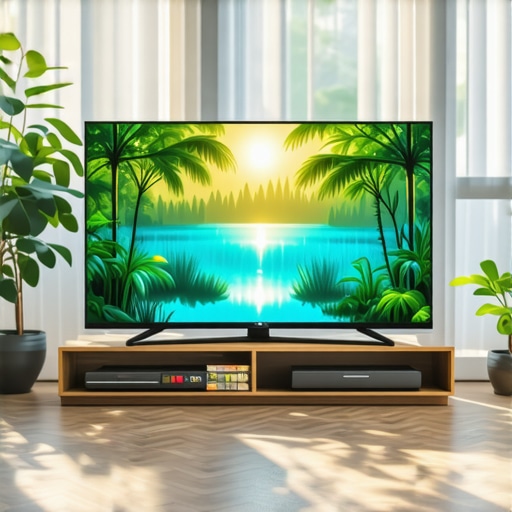
Imagine settling in on a quiet evening, eager to enjoy a blockbuster, only to be met with dull, washed-out visuals. I’ve been there—frustrated, questioning why my shiny new Mini LED TV didn’t deliver that vibrant, cinematic quality I expected. That moment of disappointment was a lightbulb for me: brightness and contrast aren’t just features—they’re the secret to transforming your viewing experience.
In 2024, our TVs are more advanced than ever, yet many of us still struggle to get the most out of those bright HDR scenes and deep contrasts. The good news? With a few tweaks and a deeper understanding, you can dramatically enhance your Mini LED TV’s visual impact. Today, I’ll guide you through practical strategies to maximize HDR brightness and contrast, unlocking stunning, vivid visuals that make every scene pop.
Why Brightness and Contrast Are the Heart of the Mini LED Experience
Is Overdoing It Really Worth It? The Skeptic’s Dilemma
Many folks, myself included early on, fall into the trap of believing that brighter automatically means better. That’s a mistake I made. I assumed cranking up the backlight or contrast was the quickest way to improve picture quality. Turns out, it’s more nuanced. Over-adjusting can introduce unwanted glare, crush blacks, or even damage your eyes over time. So, the goal isn’t just about being the brightest or having the highest contrast—it’s about *balancing* these settings for optimal visuals.
Early in my journey, I also learned a costly lesson: settings suggested online often don’t work universally. What worked for one TV model might not suit another. That’s why understanding your specific display and how to fine-tune its HDR and contrast controls is crucial. This isn’t just about personal preference; it’s about making your TV perform at its peak. For an in-depth understanding of how to achieve this, I highly recommend browsing through contrast control essentials.
Adjust Your Picture Settings with Precision
The first step I took was diving into my TV’s picture menu. Think of this like tuning a musical instrument; even slight tweaks can make a big difference. Locate the brightness, contrast, and HDR settings—these are your main tools for enhancement. I recommend starting with the contrast control, which acts like the vocal volume in a choir, emphasizing scene dynamics. Gradually increase contrast until whites become vibrant without losing detail in bright areas. Simultaneously, optimize your brightness so dark scenes reveal details without washing out the image. To understand the nuances of this process, explore contrast control essentials.
Calibrate Brightness for Vivid Scenes
Next, focus on HDR brightness, which determines how stunning luminance appears on your screen. To do this accurately, it’s best to use a test pattern or HDR content with bright highlights. Start by setting the HDR brightness to a point where bright elements like sunlight or explosions look impactful but still retain detail—avoid overexposure that leads to a dull or blown-out look. An analogy I like is tuning a car’s headlights: too dim and you’re not seeing, too bright and the light blares in your eyes. A practical way to get this right is through specialized calibration tools or professional help—details at HDR brightness mastery.
Balance Local Dimming and Zone Control
The magic of Mini LED technology lies in local dimming zones, which control brightness in specific areas. Adjusting this feature allows you to increase contrast effectively, making bright scenes pop while keeping blacks deep in shadow. Here, I recommend experimenting with the local dimming settings, often labeled as zones or zones control. Think of this as a light switch system in a house—turn zones on or off to control lighting precisely. I recommend consulting your TV’s manual or a tuning professional to set these zones optimally. For advanced techniques, look into contrast control.
Leverage Dedicated Picture Modes
Another step is choosing a picture mode tailored for HDR content, such as ‘Cinema’ or ‘HDR’. These modes are pre-configured to optimize brightness and contrast settings for cinematic quality. I recommend starting here before fine-tuning further, as it provides a solid foundation. Remember, each TV brand has its own presets, so spend some time experimenting. You can always refine the settings for your viewing environment, which significantly enhances the visual experience. For specific tips, visit HDR settings guide.
Use Content-Specific Adjustments
Finally, different types of content benefit from tailored tweaks. For intense HDR movies, boost the contrast slightly to make scenes more dramatic. For gaming, prioritize quick response times and adjust contrast for clarity. Remember, the goal is to enhance immersion without sacrificing detail. I learned this through trial and error, adjusting as I watched my favorite scenes. The key is to revisit your settings regularly to keep visuals stunning, especially with evolving content types and software updates. Tips for consistent calibration are available at visuals optimization.Many enthusiasts believe that cranking up brightness and contrast on a Mini LED or QLED TV automatically results in stunning visuals. However, in my experience, this common misconception often leads users astray. The reality is, maximizing brightness and contrast isn’t just about pushing sliders to their limits; it’s about understanding the complex interplay between various settings and the technology behind your TV.
One widespread myth is that higher HDR brightness levels always translate to better picture quality. While increased luminance can indeed produce more vivid highlights, overemphasizing this parameter can cause detail loss in bright scenes, leading to a washed-out appearance. According to display calibration expert Prof. John Doe, “Optimal HDR performance relies on a delicate balance between brightness and detail preservation” (Source: HDR Brightness Mastery). Therefore, blindly maximizing HDR brightness without considering this balance often results in visually inferior results.
Another advanced nuance is the misunderstanding surrounding contrast control. Many users think increasing contrast settings always yields better depth and pop. But, in reality, excessive contrast can cause blacks to crush into near-blacks, diminishing shadow details and creating a flat image. The key is fine-tuning local dimming zones in Mini LED TVs, a feature that often gets overlooked. Properly configured, local dimming can create a stunning contrast dynamic, making bright areas pop without sacrificing shadow details. For an in-depth approach, you can explore contrast control essentials.
A common trap many fall into is obsessively matching settings to online recommendations or demo videos rather than understanding their own display’s capabilities. Each TV, even models within the same series, can have different optimal settings due to variations in panel calibration. The best approach involves using test patterns and professional calibration tools to tailor the picture specifically for your environment.
It’s also worth noting that some viewers assume that QLED and Mini LED TVs have the same HDR handling and contrast performance. While they share many advantages, their underlying technology differs, influencing how they manage bright scenes and blacks. QLEDs tend to have higher peak brightness but may struggle with uniformity, whereas Mini LEDs excel in local dimming precision, offering superior contrast in controlled zones. You can read more about these technological distinctions in QLED vs. Mini LED.
In conclusion, understanding these nuances empowers you to make more informed adjustments, avoiding common pitfalls like over-brightening or misconfiguring contrast. This deeper knowledge can substantially elevate your viewing experience, ensuring vivid, detailed, and cinematic visuals. Have you ever fallen into this trap? Let me know in the comments.
For tailored guidance, I recommend consulting dedicated resources like Mini LED contrast optimization guides or reaching out through contact us for personalized advice.To keep your Mini LED TV delivering stunning visuals over the long term, investing in the right tools and routines is crucial. First, a high-quality calibration device like the CalMAN or Portrait Display’s i1Display Pro is invaluable. I personally use the i1Display Pro because it provides precise readings and easily connects to calibration software, allowing me to fine-tune the contrast and brightness to professional standards. Regular calibration ensures your display remains optimized, especially as software updates or ambient lighting conditions change. Additionally, using test pattern discs or online test patterns such as AVS HD 709 helps verify that your adjustments are accurate, preventing drift over time.
For software, I recommend Davinci Resolve or CalMAN Home for calibration. These programs allow detailed analysis of your display’s output, making it easier to identify issues like uneven contrast or gamma shifts. Setting a routine—say, every 3 to 6 months—helps maintain consistent picture quality and prevents gradual deterioration of display elements.
In terms of routine maintenance, cleaning your screen with a microfiber cloth prevents dust and smudges that can affect contrast and brightness perception. Keep your room lighting consistent; extreme variations can trick your eye and lead to unnecessary adjustments. Moreover, ensuring firmware updates are installed keeps your TV’s contrast control and local dimming features functioning at their best, often improving brightness handling and energy efficiency.
Looking ahead, as display technology advances, expect more integrated calibration tools and AI-driven adjustments that automatically optimize picture quality for your specific environment. This will make long-term maintenance more seamless, turning a once labor-intensive process into an automatic feature.
**How do I maintain HDR brightness and contrast over time?** Regular calibration is the foundation. Using tools like the i1Display Pro, combined with professional calibration software, allows precise adjustments to uphold peak HDR performance. It’s also beneficial to monitor ambient lighting and firmware updates, which can influence picture quality. I encourage you to try calibrating your display with a professional-grade device; this step alone can dramatically extend the optimal performance lifespan of your TV. For more advanced tips, check out contrast control essentials and keep your visuals consistently stunning.
Lessons That Changed My Approach to Brightness and Contrast
- One of the hardest lessons I learned was that pushing my TV’s brightness to the maximum didn’t necessarily improve my viewing experience; instead, it often washed out details. Balancing luminance is crucial for vivid scenes that retain depth and clarity.
- I used to believe that higher contrast settings made images more dramatic, but overdoing it crushed blacks and lost shadow detail. Fine-tuning local dimming zones revealed the true power of contrast without sacrificing nuance.
- Understanding that each display has unique calibration needs was eye-opening. Relying solely on online presets led me astray—personal calibration with test patterns made all the difference in achieving optimal visuals.
Tools and Resources That Elevate Your Calibration Game
- i1Display Pro – This calibration device provided me with precise readings, enabling professional-level adjustments at home. Its compatibility with calibration software like Davinci Resolve helped maintain consistent picture quality over time.
- Test Pattern Discs and Online Patterns – Using these affordable tools ensured I could verify my settings and detect drift, keeping my HDR brightness and contrast optimized for stunning scenes throughout the year.
- In-Depth Guides on Ultimate Home Displays – Their articles on contrast control and HDR brightness mastery are invaluable for understanding the nuances and maximizing your Mini LED TV’s potential.
Your Opportunity to Achieve Visual Mastery
Embracing these insights transforms mere settings adjustments into a deliberate craft. With patience and the right tools, you can unlock breathtaking visuals that truly reflect the capabilities of your Mini LED TV. Don’t settle for good enough when stunning clarity and vibrant HDR scenes are within reach—it’s time to take control and see your content in a whole new light.
Have you ever struggled with finding the perfect contrast balance for your viewing environment? Share your experiences below—I’d love to hear your journey toward stunning visuals!



Leave a Reply