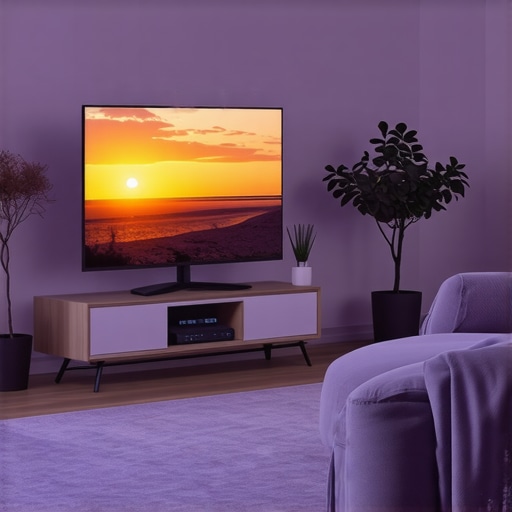
There was that frustrating moment when I watched a blockbuster on my brand-new 4000 nit 2026 QLED TV, and suddenly, the vibrant scene I was so eager to dive into became muted and lifeless. The stunning highlights I anticipated were crushed, lost in a sea of dullness. It felt like my high-end TV was working against me, not for me. That realization hit me hard: despite all the advanced technology, I was still battling HDR clipping. Have you ever experienced something similar—where your TV’s brightness settings seem to undermine your viewing experience rather than enhance it?
The Brightness Dilemma: Why Your TV’s Clipping Could Be Spoiling Your Visuals
In the quest for the perfect picture, many enthusiasts overlook an insidious issue: HDR clipping. This phenomenon occurs when the TV’s brightness exceeds the capabilities of its display pipeline, causing the brightest highlights to be “clipped” or crushed. Essentially, the TV can’t reproduce the full luminance range intended by HDR content, leading to lost detail in the brightest scenes. For those of us craving vivid, cinematic visuals, this is a big problem. But there’s hope—by fine-tuning your contrast and brightness settings, especially on a powerhouse like a 4000 nit TV, you can significantly reduce clipping and unlock more of that stunning HDR potential.
Early on, I made the mistake of blaming my content source, assuming the problem was with the streaming service or disc. But after deep dives and some trial-and-error, I discovered that the secret lies in understanding and adjusting your TV’s contrast control. Manufacturers often set default brightness and contrast levels that are less than ideal for maximizing HDR’s visual impact. By carefully tweaking these settings, I was able to preserve highlight details and enjoy scenes that truly pop. For an in-depth look at how to optimize your contrast and brightness, check out our comprehensive contrast control essentials.
So, what’s the catch? Well, every TV and viewing environment is unique. That’s why understanding your specific model and its capabilities is crucial. With the right adjustments, you can prevent HDR clipping, achieve the dazzling brightness levels you desire, and get closer to a professional-grade cinematic experience right in your living room. Ready to dive into practical solutions? Let’s explore how to tweak your settings for maximum brightness without sacrificing detail.
Is HDR Clipping Seriously Overhyped or Just a Myth?
Many skeptics argue that HDR clipping isn’t as big a deal as enthusiasts claim. I used to think so too—until I experienced it firsthand on my own setup. Early in my journey, I also made the mistake of relying solely on default picture modes, which are often optimized for general use rather than peak HDR performance. As a result, I missed out on the full vibrancy my TV was capable of delivering. The truth is, understanding and controlling contrast and brightness can make a world of difference—your viewing experience depends on it. If you’re feeling skeptical, consider this: Hollywood colorists use precise contrast adjustments to craft the cinematic magic we love, which underscores how vital proper calibration really is. Want to see how mastering these controls can transform your TV? Keep reading, because the next sections will guide you step-by-step.
Fine-Tune Your TV Settings Step by Step
Start by accessing your TV’s picture or display settings menu. On most models, this is done via the remote’s menu button. Think of your TV as a camera—adjusting contrast and brightness is akin to controlling exposure to get the right balance of light and detail. I once spent an evening fiddling with my settings, twisting the contrast upwards while keeping the brightness moderate, aiming to push highlights without crushing shadows. The key is gradual adjustment—small tweaks, test, observe, repeat—until highlight details become crisp and vivid.
Adjust Contrast for Peak Highlights
Contrast controls the difference between dark and bright areas. On a high-brightness mini LED model, increasing contrast enhances highlight shimmer but risks clipping if set too high. To avoid this, slowly bump the contrast and test with HDR content featuring bright scenes—like a sunny sky or explosion. I remember adjusting contrast on my QLED TV during a fireworks display, gradually increasing until the sparks popped without losing detail. For precise practice, consult this contrast control tutorial that walks through recommended thresholds to prevent clipping.
Tweak Brightness for Realistic Light Levels
Brightness governs overall luminance, influencing how bright your whites appear. If set too low, bright scenes look dull; too high, and highlights clip, losing detail. Think of it as setting the exposure in photography—too bright washes out details; too dark hides them. My own experience involved a snowy mountain scene that was overly washed out until I reduced the brightness slightly, restoring natural light and shadow contrast. Use test patterns or HDR movie scenes to find your sweet spot, aiming for a vibrant but detailed picture. For expert guidance, review this brightness optimization guide.
Leverage Peak Brightness for Impactful Scenes
Mini LED TVs excel in delivering high peak brightness, making HDR highlights pop. To maximize this, enable any local dimming features, which help localize bright areas without affecting the whole picture. I turned on local dimming during a dimly lit scene, where a character’s flashlight illuminated the dark room, and the effect was startling—bright spot with rich contrast. Remember, peak brightness isn’t just about cranking the settings; it’s about matching your environment. For scenes with a lot of sun or reflections, increasing peak brightness can recreate that realism. For detailed tactics, see this peak brightness techniques article.
The Power of Local Dimming and Panel Calibration
Local dimming acts like a grid of tiny mirrors behind your display, turning off or dimming sections to increase contrast and prevent blooming. Proper calibration ensures these zones activate appropriately—too aggressive, and you’ll experience halo effects; too conservative, and contrast suffers. I recommend running calibration tests, focusing on dark scenes with bright highlights, to fine-tune local dimming zones. This process resembles adjusting a spotlight to illuminate as much as needed without spilling over. For a comprehensive approach, refer to this local dimming calibration guide.
Many enthusiasts believe that dialing in contrast and brightness is as simple as adjusting a few sliders until the picture looks good. However, the reality is far more nuanced, especially when it comes to mini LED technology and HDR performance. A common misconception is that higher contrast settings always yield better picture quality—truthfully, pushing contrast to maximum can cause unintended clipping of bright highlights, negating HDR’s purpose. Advanced users understand that what matters is the balance and precise calibration, including understanding local dimming zones and their interaction with contrast settings. Overlooking these complex interactions can lead to missing the true potential of your TV, instead settling for subpar visual quality despite impressive specifications. For a deeper dive into contrast control nuances, check out our detailed contrast control essentials.
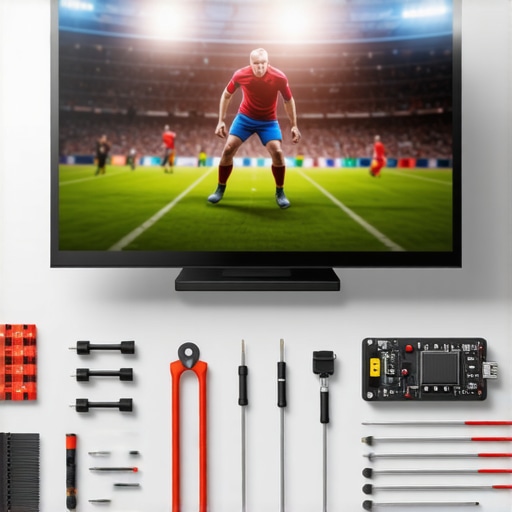
To keep your high-end Mini LED TV functioning at its best, implementing effective maintenance routines is essential. Regular calibration ensures consistent contrast and brightness levels, preserving image quality over the years. I personally rely on specialized tools and software for this purpose. For instance, using a **Colorimeter** like the X-Rite i1Display Pro allows me to measure and adjust display settings with precision, ensuring that contrast and HDR brightness remain aligned with industry standards. Additionally, employing calibration software such as CalMAN or LightSpace provides detailed analysis and fine-tuning options, enhancing long-term performance.
Moreover, maintaining a clean display surface and ensuring proper ambient lighting can significantly impact the viewing experience. Dimming or avoiding direct sunlight prevents glare and helps your TV’s contrast control function optimally. Updating firmware regularly is another crucial step, as manufacturers often release performance improvements and bug fixes that enhance HDR handling and local dimming features.
Looking ahead, I believe that AI-powered calibration tools are poised to simplify and improve the calibration process further, making professional-grade adjustments accessible to everyday users. These tools can automatically adjust settings based on your viewing environment, ensuring consistent peak brightness and contrast levels.
How do I maintain my Mini LED TVs over time?
Regular calibration and firmware updates are the cornerstones of ongoing performance. Making this a routine—such as calibrating every six months—helps preserve the vivid HDR scenes and contrast control that make your TV stand out. If you’re interested in professional calibration, exploring tools like the X-Rite i1Display Pro combined with calibration software will dramatically improve your long-term viewing quality. For more insights into maintaining your display’s peak performance, check out our comprehensive contrast control essentials. Remember, consistent maintenance not only prolongs your TV’s lifespan but also ensures that every scene, from the brightest HDR highlights to the darkest shadows, remains stunning for years to come. Don’t hesitate—start implementing regular calibration today to enjoy flawless visuals every time.
Overcoming the final hurdles in optimizing your mini LED TV can feel like unlocking a secret level of cinematic excellence. As someone who has grappled with HDR clipping and regional dimming challenges firsthand, I realized that true mastery lies in understanding the nuanced interplay of contrast, brightness, and local dimming zones. The biggest lightbulb moment for me was discovering that fine-tuning these settings isn’t just about cranking a few sliders—it’s about orchestrating a symphony of parameters that work harmoniously to produce vivid, lifelike scenes. Embracing this complexity, I learned to calibrate my display meticulously, reaping breathtaking highs and deeply shadowed lows that make every scene come alive with realism. This journey taught me that your display’s true potential waits behind a curtain of carefully managed settings—waiting for you to unveil it.

Leave a Reply