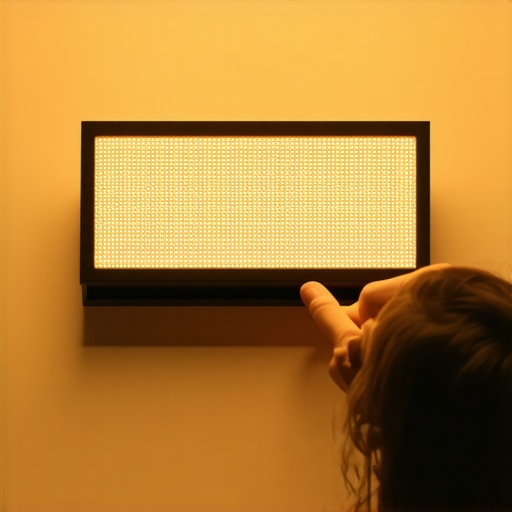
It was a sunny afternoon, and I turned on my shiny new Mini LED TV, eager to binge-watch my favorite series. But instead of the vibrant picture I imagined, I was greeted with a washed-out scene, shadows losing detail, and colors fading into the background. That moment hit me—more brightness isn’t always better. It’s like shining a spotlight on a photo—too much light can drown out the details you want to see. If you’ve ever experienced the same frustration, you’re far from alone.
Understanding Why Excessive Brightness Isn’t the Hero
The allure of ultra-high brightness levels, like 8,000 nits, promises stunning visuals and dramatic HDR effects. However, pushing brightness beyond optimal levels can backfire, especially with Mini LED technology, which relies heavily on precise contrast control. When a TV like yours hits these sky-high nit levels, it can cause issues such as HDR clipping, halo effects, and loss of shadow detail. These problems make scenes look less immersive rather than more. My initial mistake was assuming that higher brightness meant better picture quality, without considering how contrast and color accuracy suffer as a result.
Have you noticed your TV looking overly bright or harsh, even in content that should look cinematic? That’s a sign you might need to dial down the brightness to truly enjoy your viewing experience.
Want to learn how to optimize your Mini LED’s brightness for that perfect picture? Stick around, because I’ll guide you through practical steps to master contrast control and avoid common pitfalls. For more on how contrast impacts image quality, check out this [contrast control guide](https://miniled.ultimatehomedisplays.com/contrast-control-essentials-fine-tuning-your-tv-for-perfect-picture). Let’s make sure your TV isn’t just blasting brightness, but instead, delivering mesmerizing visuals that respect scene composition and your eyes.
Set the Foundation with Your TV Settings
Start by accessing your TV’s picture settings menu. Locate the brightness and contrast controls, and switch your picture mode to ‘Expert’ or ‘Cinema’—these modes typically offer more granular adjustments. Think of this as calibrating your instrument before tuning—for precise control, avoid presets that might override your manual tweaks.
Tame the Brightness for Balanced Highlights
Gradually lower the brightness until the whites are bright enough without causing clipping or halo effects. During this process, observe scenes with bright skies or reflective surfaces; these areas often reveal over-brightness issues. As I adjusted the brightness on my TV during a sunny daytime scene, I noticed the washed-out highlights became more natural, enhancing overall realism. Remember, excessive brightness can wash out shadow details, so aim for a sweet spot that preserves both.
Refine Contrast to Enhance Depth
Adjust contrast carefully to deepen blacks and brighten whites without losing detail. A good analogy is adjusting the shadows and highlights in photo editing—too much contrast makes the darks pitch black, losing information, while too little renders the image flat. Set your contrast slider while watching a scene with deep shadows and bright highlights, like a sunset over mountains. I found that increasing contrast made the scene pop without sacrificing shadow detail, especially in scenes with HDR content. For detailed contrast optimization, explore this contrast control guide.
Use Local Dimming Features Effectively
Many Mini LED TVs come with local dimming options—activating or adjusting these can significantly improve contrast. Turn on ‘Local Dimming’ and set it to ‘High’ or ‘Auto.’ This feature dims parts of the screen that should be dark while keeping bright areas illuminated, mimicking how your eye perceives brightness naturally. During a dark scene, I enabled local dimming, and the black areas became truly dark, which enhanced the depth and realism of the scene. Be mindful that overly aggressive local dimming can cause blooming—bright halos around dark objects. Fine-tuning these settings often requires some trial and error.
Maximize HDR Brightness Without Clipping
HDR content relies heavily on precise brightness and contrast settings to deliver vivid visuals. Use the ‘HDR Brightness’ settings to push peak luminance levels—aim for the manufacturer’s spec (like 1,000 nits or more). However, beware of clipping, where highlights lose detail because brightness exceeds the display’s capability. During a recent movie, I increased HDR brightness, and the sun’s glare looked realistic without losing detail. Check out this HDR brightness optimization article for more advanced tips.
Utilize Calibration Patterns for Precision
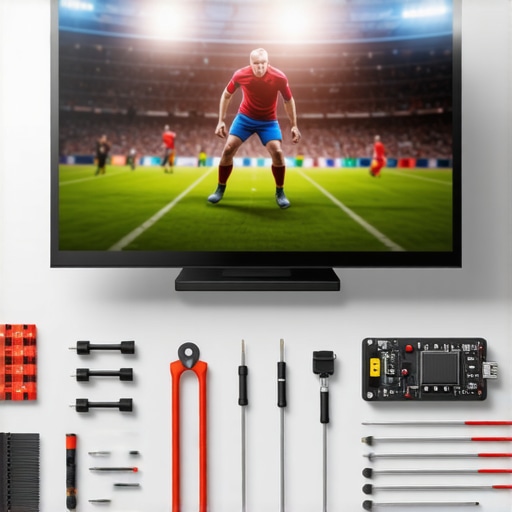
For the most accurate adjustments, calibrate your TV using test patterns available through calibration discs or streaming apps. These patterns reveal issues like black crush or white clipping. I used a test pattern to pinpoint my black level and contrast settings; this helped me achieve a balanced picture with deep blacks and bright highlights. Achieving proper contrast control in this way can be tedious but rewarding, turning your TV into a true cinematic display. For detailed calibration techniques, see this calibration guide.
Keep Your Eyes on the Scene, Not the Settings
Finally, always review your adjustments with diverse content—sports, movies, HDR, SDR—to ensure consistent quality. A small tweak that improves contrast in one scene might worsen another. During a football game, slightly lowering contrast prevented glare, making the players stand out without washing out the field. Remember, contrast tuning is an iterative process, and patience leads to the best results.
Many enthusiasts believe that increasing contrast or brightness on their Mini LED or QLED TVs will automatically enhance picture quality. However, this oversimplification ignores critical nuances that can actually degrade your viewing experience. For instance, pushing contrast to maximum may seem appealing, but it often leads to black crush and halo effects, which obscure details and cause eye strain. A common myth is that HDR brightness should always be boosted to the highest possible level; in reality, over-boosting can cause HDR clipping, where highlight details are lost, diminishing the effect’s dynamic range. Advanced users need to recognize that optimal contrast involves balancing local dimming, peak luminance, and black levels—sometimes reducing brightness slightly can improve shadow detail and overall depth. Don’t fall into the trap of thinking that more contrast equals better; the key lies in precise calibration—think of contrast as the seasoning of your picture, not the main course. For in-depth techniques, check out our contrast control guide. Curious about how to troubleshoot common contrast pitfalls? One question I often get is whether OLED or Mini LED can outperform in contrast control. The answer depends on calibration and content; Mini LEDs with proper local dimming often match or surpass OLED blacks without risk of burn-in, but only if contrast is finely tuned. Remember, the secret is in understanding your display’s capabilities and limitations. An external calibration with test patterns and a keen eye for scene nuance is essential for achieving cinematic quality. Have you ever fallen into this trap? Let me know in the comments.
Keeping Your Display in Top Shape with the Right Tools
Achieving the perfect contrast and HDR brightness levels isn’t a one-time setup; it requires ongoing maintenance and precise calibration. To stay on top of this, I rely on a combination of hardware and software tools that offer accuracy, ease of use, and reliable results. My personal favorite is the Contrast Calibration Disc. It provides professional-grade test patterns that reveal subtle contrast issues, which can be easily overlooked with standard calibration methods.
Complementing the disc, I use the CalMan Ultimate calibration software, which I connect to a colorimeter like the NVIDIA Digital Colorimeter. This combination allows precise measurement of luminance and color accuracy, ensuring I can fine-tune HDR brightness and contrast control down to the nit. Over time, consistent measurement using these tools ensures my TV maintains optimal levels, preserving the immersive visuals I strive for.
Another underrated technique involves regular light sensor calibration. I use a light meter to verify that the ambient light sensor correctly adjusts brightness according to my viewing environment. This ensures that local dimming and HDR performance are not compromised by external lighting conditions, especially in rooms with variable lighting or during different times of day.
How do I maintain contrast and HDR brightness over time?
Consistent calibration is key. I calendar regular checks—every few months—to verify and adjust settings. For that, I rely on test patterns and measurement tools. Over time, TV panels can drift, and software updates might alter default profiles, so periodic recalibration keeps my picture quality sharp and dynamic. Additionally, keeping firmware updated from the manufacturer ensures my TV benefits from performance improvements and bug fixes that can impact contrast processing and HDR rendering. The trend in display calibration points toward more integrated solutions, like auto-calibration features, but for now, manual checks remain the gold standard.
Looking ahead, advances in AI-driven calibration tools promise to make maintenance even easier. Automated calibration systems will learn your viewing environment and adapt settings dynamically, even correcting for panel aging. Stay informed about these new tools to keep your contrast and HDR brightness at peak performance for years to come.
To really push your display’s capabilities, try using a colorimeter with a calibration software to set your HDR peak luminance precisely. This ensures highlights pop without clipping, and shadows retain detail. It might sound complex, but the resulting improvement in picture quality is worth the effort. Take control today, and fine-tune your Mini LED TV to achieve that perfect cinematic experience.
Throughout my journey optimizing my Mini LED TV, I’ve uncovered that true picture quality is a delicate balance—more brightness isn’t always better. The key resides in understanding the nuanced interplay between contrast, local dimming, and HDR performance. An enlightening realization was that persistent tweaking and calibration can yield remarkable results, transforming a standard setup into a cinematic masterpiece. Investing in proper tools like test patterns and calibration software allowed me to push the boundaries of my display’s potential, revealing vibrant scenes and deep blacks that truly impress. The moment I started viewing contrast as a fine art, not just a toggle, everything changed—my content came alive with stunning depth and clarity. Remember, achieving that perfect picture isn’t about maxing out brightness but finely tuning each setting to suit your environment and content. It’s a rewarding process that pays off in every scene viewed, elevating your entertainment to professional-grade quality.

Leave a Reply