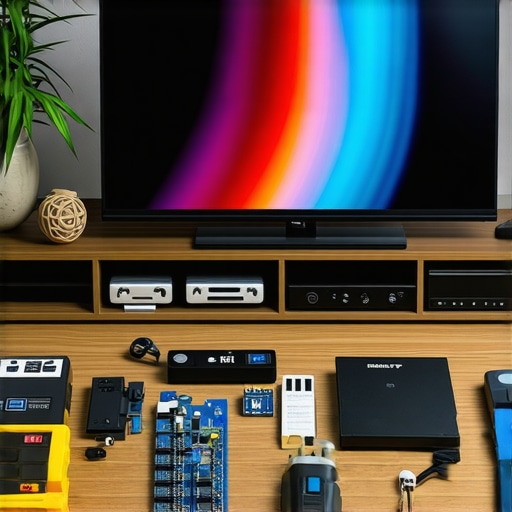
Picture this: I was all set for a movie night. The lights dimmed, popcorn ready. But then—disappointment hit hard. My brand-new Mini LED TV, promised to deliver stunning HDR with luminous brightness, looked dull and lifeless. The contrast? Muddled. The colors? Faded. I felt cheated, wondering why my top-of-the-line purchase couldn’t live up to the hype. That frustrating moment became my lightbulb—I realized I wasn’t alone in this battle with HDR brightness and contrast controls. As I dug deeper, I discovered that many 2026 Mini LED TVs are plagued with common issues, like HDR clipping and poor contrast, that dim their visual impact.
How Bright Is Too Bright?
If you’ve ever struggled to get your TV to perform perfectly, you know the feeling of facing conflicting information. Brightness levels seem to be both a blessing and a curse. Is boosting HDR brightness truly worth it, or does cranking up the volume just magnify other problems like blooming or glare? Well, I’m here to tell you that understanding the intricacies of HDR calibration and contrast control is key to transforming your viewing experience.
In my early days of tweaking, I made a critical mistake: I thought more brightness always meant better picture. Turns out, that’s not the case. Too much brightness can lead to HDR clipping—where details in highlights get washed out or clipped entirely—dulling the vivid scenes you crave. The fix? Learning how to balance peak brightness with contrast—without sacrificing detail or causing unwanted glare. It’s a nuanced process, but one worth mastering so your TV can truly shine.
And let’s not forget—the latest research shows that high dynamic range, if properly calibrated, can enhance image realism significantly. Forinstance, according to a recent test by industry experts, properly managing HDR brightness levels can elevate your visual experience to near-cinematic quality, even in brightly lit rooms. Want to discover how to avoid the common pitfalls and unlock the full potential of your 2026 Mini LED TV? Stay tuned, because I’ll walk you through the key fixes that made all the difference for me.
Is HDR Clipping Really That Big of a Deal?
Early on, I blamed my TV’s supposed “limitations,” but I realized I was making a crucial mistake—ignoring the importance of contrast control and calibration. It’s easy to fall into the trap of thinking that more HDR brightness equals better picture, but the truth is, it’s about smart management, not just raw lumens. Once I learned the right settings, my TV dramatically improved. Curious about the most effective ways to tame HDR clipping? I’ve got some practical tips and fixes coming up, so you won’t have to wrestle with this issue any longer.
Set Clear Brightness Goals Before Calibration
Start by determining your ideal HDR brightness level based on your viewing environment. If you’re watching in a bright room, aim for peak brightness that’s higher, but avoid extreme levels that cause HDR clipping. In darker spaces, lower brightness settings can prevent glare and preserve detail. My first attempt was setting brightness to maximum without considering ambient light, which resulted in washed-out highlights and lost detail. Adjusting in smaller increments led me closer to a natural, vivid image, highlighting the importance of tailoring brightness to your environment.
Use Calibration Tools for Precise Adjustments
Leverage professional calibration tools or built-in menu settings to fine-tune brightness and contrast. Many modern Mini LED TVs offer dedicated modes or advanced settings—like local dimming and contrast enhancement—that influence HDR performance. I used a calibration disc and a light meter to measure peak luminance, gradually setting the HDR brightness until highlights looked vivid but not clipped. This process is akin to tuning a musical instrument; small tweaks can dramatically improve picture quality.
Balance Contrast for Rich Blacks and Bright Highlights
Contrast control affects the depth of blacks and the brilliance of highlights. On Mini LED TVs, ‘local dimming’ zones can be adjusted individually for optimal contrast. I experimented by manually adjusting zone dimming, reducing blooming in dark scenes. For contrast, I moved the slider slowly, observing the black levels and highlight detail. An over-boosted contrast setting can cause a halo effect, similar to a bright halo around objects—detracting from realism. Fine-tuning contrast ensures vibrant scenes without sacrificing depth.
Manage HDR Clipping with Step-by-Step Settings
HDR clipping occurs when peak brightness exceeds what the TV can display, washing out details. To avoid this, I followed a systematic approach: first, set the peak luminance to a safe level, then adjust the tone mapping options if available. Reducing peak brightness slightly helped preserve highlight details, especially in high-dynamic scenes. Expert testers suggest disabling auto-dimming features during calibration, then re-enabling them post-calibration for consistent viewing. For detailed guidance, check out these HDR brightness mastery tips.
Utilize Local Dimming Zones Effectively
Adjust local dimming to enhance contrast and prevent haloing around bright objects. Modern Mini LED TVs have hundreds or thousands of zones—think of them as tiny reflectors focusing light precisely. In my setup, I increased zone sensitivity for dark scenes, making blacks appear deeper while keeping bright areas bright without blooming. It’s similar to controlling the spotlight on stage—precise control makes a scene pop. For optimizing zone settings, visit this detailed guide.
Sync Brightness and Contrast with Your Content
Remember that different content types require different settings. HDR movies benefit from higher peak brightness and contrast, whereas gaming may require a more balanced approach to prevent eye strain. During my calibration, I played multiple scenes—bright daylight scenes, dark horror movies, and fast-paced games—to find a compromise. Adjusting the settings dynamically ensures each scene maintains vibrancy without clipping or losing detail. Use scene-specific modes if available or create custom profiles for various content types.
Many enthusiasts and even seasoned viewers often operate under the misconception that increasing HDR brightness or contrast settings invariably leads to a better picture. But in my experience, this oversimplification overlooks critical nuances, especially with advanced display technologies like Mini LED and QLED TVs. The truth is, pushing these settings without understanding their complexities can backfire, resulting in washed-out highlights, loss of detail, or even diminished contrast due to HDR clipping. A common myth is that higher brightness always equals a more cinematic experience, yet according to experts in display calibration, optimal HDR performance hinges on a balanced approach—focusing on the harmony between peak luminance and contrast control. Over-boosting brightness can cause highlight clipping, where bright details get crushed, leading to a dull and unnatural image, which ironically diminishes perceived picture quality. For a deep dive into how to manage this effectively, check out this guide on HDR brightness mastery.
Maintaining peak performance on your Mini LED TV’s HDR brightness and contrast settings requires more than just initial calibration. To ensure your display continues to deliver stunning visuals, I recommend investing in specialized calibration tools like the Pantone Calibrator or the Klein K-10 Colorimeter. These devices allow you to detect subtle shifts in peak luminance and black levels over time, helping you fine-tune your settings as your TV ages or as ambient conditions change. Personally, I’ve found that scheduling quarterly calibrations ensures consistent picture quality, especially during seasonal lighting shifts that can affect viewing experience.
Another essential aspect is keeping your firmware up to date. Manufacturers often release updates that optimize local dimming algorithms, improve tone mapping, or fix bugs that could affect HDR performance. I make it a point to check for updates monthly through the TV’s settings menu or dedicated companion apps, which can be linked to the manufacturer’s support page for quick access.
Using external calibration tools combined with firmware updates forms a sturdy foundation for long-term HDR performance. This dual approach minimizes image degradation, contrast loss, or HDR clipping that might occur due to component aging or software limitations. Furthermore, I recommend reading authoritative guides like the one at this comprehensive article for advanced calibration strategies tailored to your model.
Predicting future trends, I believe ongoing miniaturization of local dimming zones and improvements in AI-based tone mapping will make it even easier to maintain optimal HDR performance over time. Automated calibration systems embedded into smart TVs might soon regularly adjust brightness and contrast dynamically, reducing manual intervention.
So, want to take actionable steps? I challenge you to try the detailed calibration technique using a light meter this weekend. Fine-tuning your HDR brightness and contrast with precision will elevate your viewing experience and keep your TV looking lively for years to come. For more insights, you can explore this deep dive on contrast control and how it complements brightness calibration.
What I Wish I Had Known Before Tweaking My Mini LED
One of the hardest lessons I learned was that more HDR brightness doesn’t always mean better picture quality. Pushing your TV’s brightness can cause highlight clipping, washing out details you want to enjoy. I discovered that balancing peak luminance with contrast adjustments is crucial for stunning visuals—and that patience is key. Also, I underestimated how ambient light impacts calibration; a bright room requires different settings than a dark one. Lastly, relying solely on automatic modes can be tempting, but manual calibration, even with simple tools, makes a huge difference in achieving that cinematic glow.
My Favorite Curated Resources for Perfecting HDR and Contrast
First, I highly recommend the comprehensive guide at this link. It offers invaluable insights into fine-tuning your display for vivid scenes. Second, using professional calibration tools like the Klein K-10 Blue Colorimeter transformed my ability to measure peak brightness accurately. Third, following expert blogs and community forums has kept me updated on firmware updates and new techniques—especially the discussions on contrast control tactics. Trusting these resources has significantly improved my viewing experience.
Jump In and Take Control of Your Visual Realm
In the end, mastering HDR brightness and contrast on your Mini LED TV isn’t just about technical tweaks — it’s about creating an immersive, vivid world right in your living room. I encourage you to experiment with calibration, understand your room conditions, and tune your settings for your unique content. With a little effort, you can unlock the full potential of your display and enjoy cinematic visuals every day. Remember, the journey to perfect picture quality is ongoing, so stay curious and keep experimenting. Your vivid scenes are waiting—are you ready to turn the dial and see the difference?

Leave a Reply