My Journey into Perfecting Mini LED TV Brightness & Contrast
When I first upgraded to a mini LED TV last year, I was amazed by the vibrant colors and deep contrasts, but I soon realized that achieving the perfect picture required some fine-tuning. Like many enthusiasts, I dove into understanding how brightness and contrast settings could dramatically enhance my viewing experience, especially with the latest 2024 models that offer incredible customization options.
Understanding the Power of Brightness & Contrast in Mini LED TVs
Mini LED technology has revolutionized home entertainment, providing brighter HDR visuals and more precise contrast control. The key to unlocking this potential lies in knowing how to adjust these settings properly. From my experience, optimal brightness ensures vividness without washing out details, while contrast control highlights depth and realism in every scene.
My Favorite Tips for Brightness & Contrast Mastery
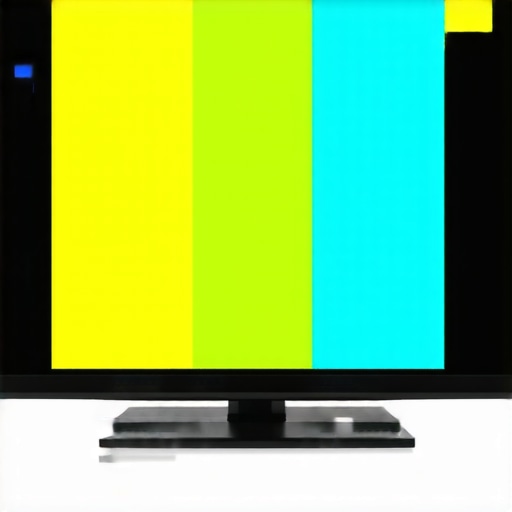
One of the first things I learned was to calibrate brightness carefully to prevent loss of shadow details. I often use test patterns from trusted sources like this guide to fine-tune my settings. For contrast, I prefer to set it high enough to reveal the full spectrum of HDR content, but not so high that it causes blooming or halo effects.
How do I balance HDR brightness for cinematic scenes?
This is a common question I get from fellow enthusiasts. Balancing HDR brightness involves adjusting the peak luminance to match your room’s lighting and the content’s requirements. I recommend enabling HDR mode and increasing peak brightness for vibrant scenes, but lowering it slightly in darker environments to preserve shadow detail. For detailed guidance, check out this resource.
Remember, every room and content type might need a different setup, so don’t hesitate to experiment. I also suggest avoiding excessive contrast adjustments that can cause unnatural halos, keeping the picture as realistic and immersive as possible.
Why Is Fine-Tuning Contrast Control So Crucial?
Contrast control is essential for achieving that perfect balance between bright highlights and dark shadows. This was especially true in my experience with mini LED TVs, where localized dimming and high peak brightness create stunning visuals. Fine-tuning contrast allows me to enjoy movies and games with depth and clarity that truly pop.
For deeper insights, I often refer to this comprehensive guide. It helped me understand how contrast settings impact the overall picture and how to optimize them based on content type.
What’s the best way to avoid over-contrast or under-contrast issues?
My approach is to use calibration tools and test patterns to find that sweet spot where contrast enhances details without causing artifacts. I also pay attention to the content—movies, sports, or gaming—each benefits from different settings. Sharing your own experiences in the comments can help others find their ideal setup too!
If you’re serious about getting the most out of your mini LED TV, I highly recommend exploring detailed guides and experimenting with your settings. For further reading, visit this article.
How Can Fine-Tuning Brightness & Contrast Elevate Your Viewing Experience?
Adjusting brightness and contrast isn’t just about making your TV look good—it’s about optimizing every frame for maximum impact. In the world of mini LED technology, where localized dimming and peak luminance are game changers, understanding the nuances makes all the difference. For instance, setting the right contrast enhances the depth of dark scenes without sacrificing highlight brilliance, creating a more immersive cinematic experience. To get this just right, I recommend experimenting with different settings while referring to authoritative guides like this resource.
Why Is Precise Contrast Control Critical for Mini LED Displays?
Contrast control in mini LED TVs affects how vividly scenes come to life. Local dimming zones allow for precise adjustments, but improper calibration can lead to halos or blooming, diminishing image quality. Fine-tuning contrast ensures that bright highlights stand out sharply against dark backgrounds, which is especially important for HDR content. This balance is crucial for content creators and viewers who demand realism and depth. For more detailed calibration techniques, explore this guide.
Can Maximizing Brightness Lead to Better HDR Performance?
Absolutely. Higher peak brightness levels in mini LED TVs enable richer HDR visuals, making colors pop and details in bright scenes more pronounced. However, there’s a fine line—pushing brightness too high can cause blooming or reduce shadow detail. Striking the right balance is essential. For example, in a dark room, slightly lowering peak brightness can preserve shadow nuances, while in a well-lit environment, maximizing brightness can enhance visibility. To learn how to optimize your HDR settings effectively, consider reviewing this article.
Expert Tips for Achieving Perfect Picture Calibration
Calibration is both an art and a science. Using test patterns and calibration tools allows for precise adjustments tailored to your environment and content. For example, setting contrast high enough to reveal HDR highlights without causing artifacts is key. Additionally, understanding the interaction between brightness and contrast helps avoid common pitfalls like washed-out images or unnatural halos. If you’re eager to delve deeper, I suggest exploring this comprehensive guide. It covers practical calibration steps for optimal picture quality.
What Are the Practical Considerations When Adjusting Brightness & Contrast in Different Viewing Environments?
Lighting conditions in your room significantly influence optimal settings. A bright living room may necessitate higher brightness levels, while a dark home theater benefits from lower brightness to preserve contrast and shadow detail. Additionally, the type of content—movies, sports, gaming—may require different adjustments. For instance, fast-paced gaming might prioritize contrast for clarity, whereas cinematic content benefits from nuanced brightness control. Sharing your experiences and experimenting with your settings can help tailor the perfect picture. For more insights, check out this article.
< >
>
Over the years, my journey with mini LED TVs has evolved from basic setup to a nuanced understanding of how to truly optimize their remarkable capabilities. One aspect that continually fascinates me is the delicate art of fine-tuning brightness and contrast—not just for spectacular visuals but for creating a personalized cinematic experience that feels tailor-made. Diving deep into this process, I’ve uncovered subtle yet impactful techniques that I’d love to share with fellow enthusiasts eager to elevate their viewing quality.
Why Do I Believe Precise Contrast Control Is More Than Just a Technical Adjustment?
In my experience, contrast isn’t merely about setting the right numbers; it’s about crafting a visual harmony that aligns with both the content and my environment. Mini LED technology, with its localized dimming zones, offers an incredible advantage here, but only if calibrated thoughtfully. When I adjusted contrast settings, I noticed how the slightest tweak could either make dark scenes immersive or introduce distracting halos. This realization led me to approach contrast calibration as a creative process—one that demands patience and a keen eye for detail.
How Do I Tackle the Challenge of HDR Brightness in Different Room Conditions?
Managing HDR brightness in varied lighting environments remains one of the most rewarding yet challenging aspects of calibration. I’ve learned to adapt my settings based on ambient conditions—cranking up peak brightness during daytime in a well-lit room and dialing it back during cozy, dark movie nights. This flexibility ensures every scene retains its depth and vibrancy without washing out or losing shadow nuances. It’s akin to tailoring a suit—small adjustments make a world of difference. For those wanting a more technical approach, I recommend exploring resources like this guide for advanced calibration strategies.
What Are the Hidden Nuances in Achieving Natural, Realistic Images?
One of the most subtle yet profound insights I gained was recognizing that perfect picture calibration isn’t about maximizing every setting but understanding their interplay. For instance, boosting brightness without adjusting contrast can sometimes lead to a flat image lacking depth. Conversely, overly aggressive contrast might produce unnatural halos, especially in HDR scenes. My approach involves iterative testing—using test patterns and real content—to find that elusive balance where highlights sparkle, shadows deepen convincingly, and colors remain true to life. This process has transformed my viewing experience from ordinary to extraordinary, revealing details I never knew existed.
How Can My Experience Help You Overcome Calibration Challenges?
If you’re struggling with achieving the perfect picture, I encourage you to embrace patience and experimentation. Use calibration tools and test patterns as your guides, and don’t hesitate to tweak settings incrementally. Pay attention to your environment—lighting, viewing distance, and content type—and adjust accordingly. I’ve also found that keeping a calibration log helps track what works best for different scenarios, making future adjustments more straightforward. For a deeper dive into the science and art of calibration, check out this comprehensive guide.
How Do I Keep My Calibration Fresh as Content and Technologies Evolve?
As new firmware updates and content formats emerge, I’ve learned to revisit my calibration periodically. A setting that worked perfectly a year ago might need fine-tuning to handle new HDR standards or improved mini LED features. Staying engaged with the latest tips and community insights keeps my setup current. I also experiment with different picture modes—Cinema, Game, Vivid—to see which best suits my mood and content. Ultimately, calibration is an ongoing journey, one that rewards curiosity and meticulousness. If you’re curious about the latest advancements, exploring this resource can offer valuable insights into upcoming innovations.
Unlocking the Secrets of HDR Peak Brightness for Cinematic Depth
One of the most nuanced aspects of optimizing mini LED TVs is harnessing peak brightness to elevate HDR content to its fullest potential. In my experience, understanding the delicate balance between maximum luminance and avoiding blooming artifacts is crucial. Modern models offer peak brightness controls that, when fine-tuned correctly, can dramatically increase the vibrancy and realism of every scene. I often refer to this expert guide to master this aspect, ensuring vivid highlights without sacrificing shadow details.
In practice, I adjust peak brightness settings based on ambient lighting and content type, emphasizing that a one-size-fits-all approach rarely works. For bright, sunlit rooms, maximizing peak luminance can make the picture pop, but in darker environments, slightly reducing it preserves shadow depth. This dynamic calibration approach has transformed my viewing experience, making every scene feel more immersive and true-to-life.
How Can You Leverage Local Dimming for Superior Contrast Control?
Advanced contrast management hinges on understanding the role of local dimming zones. These zones effectively control how sections of the screen dim or brighten independently, creating stunning visual depth. However, improper calibration can lead to halos or blooming, undermining the benefits of mini LED technology. To mitigate this, I meticulously adjust contrast and local dimming settings, continuously testing with high-dynamic-range content to observe the effects. For an in-depth technical walkthrough, I recommend exploring this comprehensive guide.
Experimentation is key; I often switch between different contrast presets—Cinema, Game, Vivid—to see which setting best complements my current content. This iterative process allows me to find a sweet spot where highlights shine brightly without causing distracting halos, and shadows retain their depth, creating a balanced, captivating image.
How Do I Achieve Consistent Picture Quality Amidst Evolving Content Standards?
Staying ahead in calibration requires ongoing adjustments as new content formats and firmware updates roll out. I keep a detailed log of my settings and revisit calibration routines periodically, especially after major updates. This proactive approach ensures my mini LED TV continues to deliver optimal performance, whether watching 4K HDR movies or engaging in fast-paced gaming.
Moreover, I stay informed about emerging trends by engaging with expert communities and reviewing authoritative resources such as this detailed article, which offers insights into the latest calibration techniques and technological advancements. Through this constant learning and adjustment, I maintain a finely calibrated picture that adapts seamlessly to content and environment changes.
What Practical Tips Can Help You Sustain Optimal Calibration Over Time?
To ensure your calibration remains effective, consider establishing a routine check, especially if your viewing environment changes or firmware updates introduce new features. Using professional calibration tools or test patterns regularly can reveal subtle shifts in picture quality. Additionally, keeping a calibration journal helps track what adjustments yield the best results across different content types and lighting conditions.
For those eager to deepen their expertise, I highly recommend exploring advanced calibration tutorials and participating in dedicated forums. Sharing your experiences and learning from others can provide fresh perspectives and innovative techniques. Remember, maintaining a perfect picture is an ongoing journey—embrace it, and your mini LED TV will reward you with stunning visuals that elevate your home entertainment to new heights.
Things I Wish I Knew Earlier (or You Might Find Surprising)
The Power of Local Dimming Zones
One of the most eye-opening discoveries for me was how crucial local dimming zones are in mini LED TVs. Initially, I thought adjusting brightness and contrast was straightforward, but I soon realized that fine-tuning local dimming can dramatically improve picture depth and reduce halos. It’s like having a secret weapon for perfect contrast control that I wish I’d known about sooner.
The Subtle Art of Balance
Finding the right harmony between brightness and contrast isn’t about maxing out settings. I learned that in dark scenes, boosting brightness too high can wash out shadows, while too low can make HDR pop look dull. Patience and iterative testing are key—I wish I had understood how small tweaks could make such a big difference early on.
How Room Lighting Alters Calibration
Adjusting your TV’s settings without considering ambient lighting can lead to subpar results. I used to calibrate my TV in bright conditions and then wonder why it looked off at night. Now, I always tweak brightness and contrast according to my room’s lighting, which has made a noticeable difference in my viewing experience.
The Myth of Maximum Brightness
I used to believe that cranking up peak brightness would automatically improve HDR quality, but I found that overdoing it causes blooming and halo effects. Achieving a sweet spot that balances vibrancy without artifacts is something I wish I’d mastered earlier. It’s about quality over quantity.
The Role of Test Patterns and Calibration Tools
Using test patterns and calibration discs transformed my approach. They helped me identify issues like crushed blacks or washed-out highlights that I couldn’t notice before. Investing in these tools was a game-changer, and I highly recommend them for anyone serious about picture quality.
The Importance of Regular Recalibration
Content standards and firmware updates can subtly shift your TV’s picture quality. I’ve learned to revisit calibration every few months, especially after updates, to keep my picture perfect. It’s a small effort that pays off in stunning visuals.
Resources I’ve Come to Trust Over Time
- Ultimate Home Displays Calibration Guide: This comprehensive resource helped me understand the intricacies of brightness and contrast calibration, especially for mini LED technology. I highly recommend it for serious enthusiasts.
- HDR Mastery by Rtings: Their detailed articles and test patterns provided practical insights that I found invaluable in fine-tuning my settings.
- AVS Forum Calibration Community: Engaging with fellow enthusiasts allowed me to learn from real-world experiences and troubleshoot issues effectively.
Parting Thoughts from My Perspective
My journey into mastering brightness & contrast for mini LED TVs has been both challenging and rewarding. I’ve come to appreciate that the key isn’t just about technical settings but about understanding how these adjustments influence the storytelling of every scene. Small, thoughtful tweaks can elevate your viewing experience from good to extraordinary. If you’re passionate about getting the most out of your TV, I encourage you to experiment, learn from trusted guides, and stay curious. After all, the best picture is one that feels just right for you. If this resonated with you, I’d love to hear your thoughts or experiences—share them in the comments or pass this along to someone who’s eager to optimize their setup.



Leave a Reply