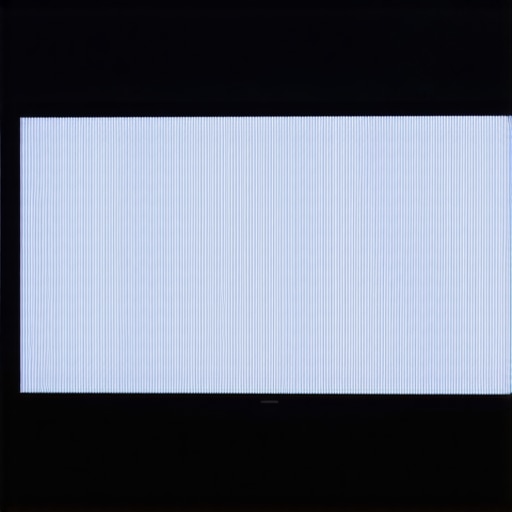
It hit me unexpectedly during a late-night movie binge. My brand-new QLED TV, claiming to deliver astonishing 8,000 nits of brightness, felt like staring into a mini sun. The vivid colors, while stunning, overwhelmed my eyes, causing discomfort and even a slight headache. That moment was a lightbulb—are these insanely bright TVs actually good for us, or are they pushing the limits of what our retinas can handle?
Why Does 2026’s Brightness War Matter to You?
In recent years, TV manufacturers have gone all-in on brightness. The goal? Create breathtaking HDR content that makes scenes pop like never before. But with peaks reaching 8,000 nits and even more ambitious specs on the horizon, I wonder: are these figures truly necessary, or are we sacrificing comfort and eye health for pure spectacle?
From my personal experience, I’ve learned that more brightness isn’t always better. In fact, pushing these high levels without proper calibration can lead to eye strain, fatigue, and even long-term discomfort. Not to mention, excessive brightness can cause color washout and haloing effects, muddling the clarity that high contrast is supposed to bring.
In an era where people spend countless hours in front of screens—be it for work, entertainment, or gaming—it’s vital we understand what these boosted specs actually mean for our health and viewing experience. A study by the American Optometric Association points out that prolonged exposure to overly bright screens can contribute to digital eye strain, which affects up to 60% of Americans.
So, what’s the truth about these colossal nits? Should you be excited about 2026’s bright TVs, or are there hidden pitfalls? That’s what I’ll help you decode—based on my own trials, errors, and discoveries. If you’ve ever experienced discomfort or just felt overwhelmed by your high-brightness TV, you’re not alone. Let’s explore how to balance superb visuals with eye-friendly settings, so you enjoy your content without sacrificing your comfort.
Ready to find out how to tame these beastly brightness levels? Stick around, because the next section will guide you through practical steps to fine-tune your TV’s contrast and HDR settings—ensuring vivid visuals without the eye strain. And for those curious about the technical details behind brightness specs, I’ll point you to some in-depth resources that shed light on what these numbers really mean for your viewing pleasure.
Calibrating Your Brightness Settings
Start by accessing your TV’s picture menu and locating the brightness or contrast controls. Think of it as tuning a musical instrument; small adjustments can significantly improve your viewing comfort. I once realized my set was cranked to maximum without knowing, causing glare and fatigue. Lowering the brightness slightly made scenes more natural and easier on my eyes. Use the provided [contrast control tips](https://miniled.ultimatehomedisplays.com/contrast-control-essentials-fine-tuning-your-tv-for-perfect-picture) to find your ideal balance—neither washed out nor dim.
Adjusting HDR Brightness for Optimal Visual Impact
HDR brightness can be a double-edged sword. Too high, and it causes glare; too low, and you lose detail. Think of HDR like pouring water into a glass—aim for the level that fills it without overflowing. In my experience, enabling auto-HDR settings often leads to overshoot. Manual calibration, guided by [HDR brightness mastery](https://miniled.ultimatehomedisplays.com/hdr-brightness-mastery-how-to-boost-your-tvs-visual-impact), allows precise control, enabling vivid yet comfortable scenes. Set your HDR to a level that brightens highlights without washing out dark areas.
Using Contrast and Local Dimming to Improve Detail
Contrast control works like a dimmer switch—adjust it to enhance black levels and prevent halos. I experimented with contrast settings during a weekend TV marathon, noticing that increasing contrast made colors pop but caused halos around bright objects. To combat this, I fine-tuned local dimming zones—like dividing a room into sections and controlling each’s brightness independently. This setup reduces blooming and halos, leading to a sharper image. Check out [contrast fixing techniques](https://miniled.ultimatehomedisplays.com/contrast-control-essentials-fine-tuning-your-tv-for-perfect-picture) for more precise adjustments.
Mitigating Eye Strain with Anti-Glare Techniques
Environmental factors play a crucial role. Placing your TV away from windows or light sources minimizes glare. During a recent setup, I used curtains and repositioned my TV, drastically reducing glare-induced eye strain. Additionally, enabling anti-glare filters or matte screens helps diffuse incoming light. Combining these physical measures with soft ambient lighting keeps my eyes comfortable, especially during long sessions. Learn more about [reducing glare](https://miniled.ultimatehomedisplays.com/3-hdr-settings-to-kill-glare-on-2026-qled-tvs-tested) for bright environments.
Leveraging Calibration for Consistent Results
Calibrating your TV ensures settings stay optimal over time. Using test patterns and calibration tools, I adjusted settings so that brightness, contrast, and color align with industry standards. This process feels technical but offers noticeable benefits—vivid visuals without discomfort. For DIY calibration, follow guides like [HDR and contrast calibration essentials](https://miniled.ultimatehomedisplays.com/5-fixes-for-hdr-clipping-on-8000-nit-bright-tvs). Regular calibration sessions keep your TV performing at its best, especially as firmware updates sometimes reset parameters.
Balancing Power Consumption and Eye Care
Higher brightness levels demand more power and generate heat. I experimented with moderate brightness settings to find a compromise. Lowering peak brightness slightly extended the lifespan of my set and reduced power bills, all while maintaining a pleasing picture. To delve deeper, see [power and brightness efficiency](https://miniled.ultimatehomedisplays.com/5-ways-to-stop-15000-nit-hdr-clipping-on-2026-mini-led-tvs). Remember, a brighter TV isn’t always better—moderation unlocks comfort without sacrificing quality.Many enthusiasts and even seasoned viewers often get misled by popular claims surrounding QLED and Mini LED TVs, especially regarding contrast control and HDR brightness. A widespread myth is that higher brightness numbers always translate to better picture quality. In reality, exceeding certain brightness thresholds can lead to unwanted artifacts like blooming and halo effects, which diminish overall image clarity. This misconception often prompts owners to crank up their settings unnecessarily, risking eye fatigue and color washout. The key is to understand that contrast control and local dimming play crucial roles in rendering deep blacks without over-relying on raw brightness. Advanced users should recognize that numerous end-user adjustments, such as finely tuning contrast and local dimming zones, significantly impact picture depth—more so than simply aiming for peak nits. Have you ever fallen into this trap? Let me know in the comments.
Furthermore, many assume that Mini LED technology inherently guarantees perfect blacks and omnidirectional brightness uniformity. While Mini LED offers impressive advantages over traditional LED backlights, it is still vulnerable to issues like blooming if local dimming zones aren’t optimized properly. Overlooking the importance of zone count and calibration can lead to disappointments, especially during high-contrast scenes. Experts caution that the actual effectiveness hinges on how well the zones are implemented and managed; more zones generally translate to finer control, but only if calibrated meticulously. Therefore, rather than chasing the highest nit counts, focus should be placed on understanding the nuances of contrast management.
Another common misunderstanding involves HDR brightness settings. Many believe that setting HDR to maximum value produces cinema-quality visuals. However, excessive HDR brightness can cause clipping, washing out highlight detail, and increasing eye strain. Calibration is vital here, as detailed by industry specialists highlighting that perfect HDR output balances peak brightness with tone-mapping capabilities tailored to the viewing environment. For holistic picture quality, consider not just the raw specs but also the context of your room’s lighting, ambient glare, and screen calibration. For deeper insights, visit [HDR brightness mastery](https://miniled.ultimatehomedisplays.com/hdr-brightness-mastery-how-to-boost-your-tvs-visual-impact).
The Maintaining your high-brightness QLED or Mini LED TV ensures consistent performance and prolonged lifespan. I personally rely on a combination of calibration hardware and software tools to keep my setup calibrated and functioning optimally. One device I swear by is the Calman Color Calibration system, which uses a colorimeter to precisely measure display output and calibrate settings such as contrast, brightness, and gamma, ensuring accurate HDR reproduction without overdriving the panel. For software, the SpectraCal Calman suite offers detailed profiling and has saved me from the pitfalls of manual adjustments that can lead to uneven backlight zones and blooming issues. Regular calibration sessions—every 6 to 12 months—are a must, especially with firmware updates that can reset display settings. Additionally, I use a photometric sensor to monitor ambient light conditions, optimizing the TV’s local contrast and reducing eye strain during long viewing sessions. Monitoring tools like DisplayCAL provide a visual feedback loop to spot drifting parameters over time.
For hardware upkeep, keeping the filter vents clean and avoiding direct sunlight on the screen helps prevent thermal stress, which could degrade contrast and overall image quality. As HDR technologies evolve, understanding how to fine-tune your contrast and brightness via the [contrast control](https://miniled.ultimatehomedisplays.com/contrast-control-essentials-fine-tuning-your-tv-for-perfect-picture) guides can significantly extend your panel’s health. Many users overlook that frequent factory resets after firmware updates can lead to subpar contrast management, so having a reliable calibration routine ensures consistent results.
Looking ahead, I predict an increased integration of AI-powered calibration tools that can automatically optimize settings based on ambient conditions and content type. Companies are working towards smarter software that learns your viewing habits to adjust contrast and HDR brightness in real time, reducing manual intervention. This AI evolution promises to make long-term maintenance easier for everyday users while preserving the high contrast and brightness benefits of advanced TV models.
How do I maintain contrast control and HDR brightness over time?
Regularly calibrate your display with hardware tools like a colorimeter or spectroradiometer to avoid drift. Keep firmware updated and revisit calibration settings post-update, ensuring consistent contrast and brightness levels. For practical tips and detailed calibration techniques, check out the [contrast control guides](https://miniled.ultimatehomedisplays.com/contrast-control-essentials-fine-tuning-your-tv-for-perfect-picture). Remember, a little maintenance goes a long way in preserving the stunning visuals promised by your high-brightness TV, preventing issues like blooming and haloing as the panel ages.
The Hardest Lesson I Learned About Brightness and Contrast in 2026 TVs
One of my most eye-opening experiences was realizing that pushing brightness levels to the maximum, in pursuit of spectacular HDR effects, often came at the expense of comfort and even long-term eye health. I learned that calibration isn’t just a one-time task but a continuous practice to maintain visual harmony. Sometimes, lower brightness and thoughtful contrast management deliver a richer, more immersive experience than raw nits figures suggest.
My Secret Weapon to Enjoy Bright Scenes Without the Eye Strain
After experimenting with local dimming and contrast tweaks, I discovered that proper environmental lighting and anti-glare techniques significantly reduce eye fatigue. Using ambient light sources and screen filters allows me to enjoy vibrant scenes without squinting or headaches, proving that a well-balanced setup beats chasing peak brightness numbers.
Why Balancing HDR Brightness Can Save Your Viewing Experience
It’s tempting to maximize HDR brightness, but I found that tone-mapping and calibrated settings create a more natural, stunning image. By moderating peak levels and focusing on contrast control, I mitigated issues like halos and blooming. This approach not only preserves image fidelity but also keeps my eyes comfortable during extended viewing sessions.
Curious About the Devices That Made My Calibration Easier
I rely heavily on tools like the Calman Color Calibration system and professional test patterns, which I trust because they provide precise measurements and reproducible results. Additionally, browsing resources like contrast control guides has empowered me to fine-tune settings confidently. These tools and guides are invaluable for anyone serious about optimizing their high-brightness TVs.
Take Control and Elevate Your Visual Journey
Your TV’s astonishing brightness potential is exciting, but without moderation and calibration, it can lead to discomfort. Remember, the goal is vivid visuals that enhance your experience, not compromise your eye health. By experimenting with contrast, local dimming, and environmental adjustments, you can enjoy the stunning capabilities of 2026 technology while safeguarding your eyesight. Don’t let high nits distract from the ultimate goal—to watch comfortably and clearly. What’s been your biggest challenge with high-brightness content? Share your story below.

Leave a Reply