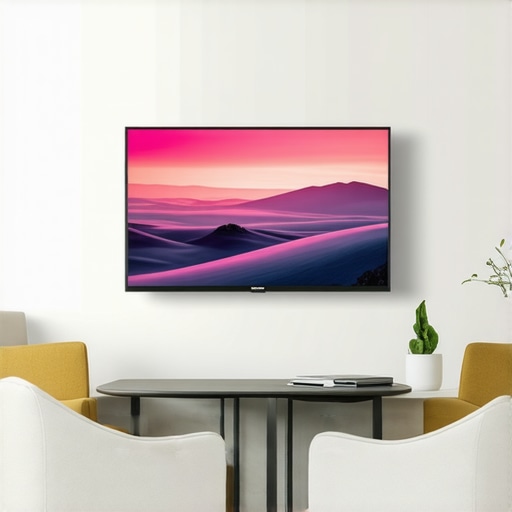
Ever been in the middle of a movie night, only to realize your TV just isn’t cutting it? Maybe the shadows are too dark, or the bright scenes are glaringly washed out. I’ve faced this frustration myself. I remember upgrading to a new display with high hopes, only to be disappointed by dull contrast or insufficient brightness. It felt like I was watching a faded version of my favorite films. That lightbulb moment led me down a rabbit hole of research, where I finally discovered the magic of Mini LED TVs with high brightness and contrast. These tiny tech marvels promise a vivid, punchy picture that makes every scene pop. Today, I want to share what I’ve learned so you don’t waste your money or settle for less than stunning visuals.
Why Brightness and Contrast Are Non-Negotiable for a Killer Viewing Experience
Let’s be honest. Watching TV isn’t just about catching up on your favorite shows; it’s about immersing yourself in a world so vivid and lifelike that you forget you’re sitting on your couch. But to achieve that, your display needs to punch above its weight in brightness and contrast. High brightness ensures that HDR content shines, revealing details in the brightest parts of the scene. Contrast, especially with Mini LED panels, creates that deep, inky blacks that make colors pop and give depth to every frame.
Without these features, even the most advanced screen can feel flat and dull. Early on, I made the mistake of choosing a TV based solely on size or resolution, only to be disappointed when HDR movies lacked that punch. According to experts, maximizing HDR brightness and contrast is crucial for true cinematic quality, especially in a home environment where lighting conditions vary. This realization set me on a mission to find the best Mini LED options that deliver both high brightness and impeccable contrast.
Is All the Hype About Mini LED TVs Actually Worth It?
At first, I was skeptical. Mini LED technology sounded like just another buzzword. I wondered if the price premium was justified. I also worried about the common mistake I see many make: assuming that a higher number in specs automatically translates to better viewing. I once bought a TV with a high peak brightness but poor contrast control, which ended up making HDR content look overly bright and unnatural. This taught me that achieving the perfect picture is about balancing multiple factors, not just chasing numbers.
Fortunately, with a little guidance, I found models that deliver on their promise. If you’re tired of dull scenes or eye-straining glare, keep reading. I’ll walk you through the key features to look for, how to avoid common pitfalls, and share some trusted recommendations for 2024.
If you’ve ever felt disappointed by your current TV’s picture quality, you’re not alone. Many homes today are upgrading, and choosing the right Mini LED TV can make all the difference. Ready to see your favorite movies and shows in a whole new light? Let’s dive into how to pick the perfect model for stunning brightness and contrast in 2024.
Adjust Your Settings for Brightness and Contrast
Start by diving into your TV’s picture settings menu. Find the brightness and contrast sliders—these are your primary tools for creating a vivid image. Initially, set the contrast to a high level to make whites pop without washing out the blacks. Then, tweak the brightness so shadows retain detail without becoming overly dim or washed out. Remember, each room’s lighting affects these adjustments, so don’t settle for default settings; experiment until scenes look natural and vibrant.
Use a Calibration Pattern to Fine-Tune
To get precise calibration, use a test pattern or calibration disc. These tools guide you in adjusting your TV’s contrast and brightness levels for optimal HDR performance. I once used a free online pattern, which revealed that my contrast was too high—causing halos around bright objects—and my brightness too low, hiding shadow details. Fine-tuning with these patterns made a noticeable difference, especially in HDR scenes, making colors richer and blacks deeper.
Leverage Advanced Mini LED Features
Modern Mini LED TVs come with local dimming zones—think of them as tiny flashlights that turn on and off independently to enhance contrast. Access your TV’s picture menu and look for settings like “local dimming” or “contrast enhancement.” Enable these features and set them to high if available. This allows your TV to produce brighter highlights and darker blacks simultaneously, elevating overall picture depth.
Adjust Zone Control for Peak Performance
If your model offers zone control, customize it to balance brightness and contrast for different content types. For example, movies with high dynamic range benefit from more aggressive zone dimming, while regular TV shows might need softer adjustments to avoid flickering or unnatural blacks. I experimented with zone settings during a movie night, and the improvement in scene contrast was dramatic, making every frame feel like a cinematic masterpiece.
Optimize Your Viewing Environment
High brightness and contrast are most effective when your room’s lighting is controlled. Minimize ambient light by dimming or turning off lights, which prevents glare and reflections. Consider positioning your TV to avoid direct sunlight, which can wash out the picture. I learned this the hard way when a sunny afternoon made my previous display look dull—even with top-tier settings. Using blackout curtains or a bias light behind the TV can significantly improve perceived contrast and brightness, giving you a more immersive experience.
Regularly Update Your Firmware
Manufacturers often release firmware updates that improve local dimming algorithms and overall picture quality. Check your TV’s settings or manufacturer’s app periodically to ensure you’re running the latest software. Updating can unlock new features or enhance existing ones, making your Mini LED display perform at its best for 2024’s content standards. I once missed out on a major update, which kept my contrast from reaching its full potential—updating immediately afterward made a noticeable difference in HDR performance.
By systematically adjusting these settings and utilizing the advanced features of Mini LED technology, you’ll unlock the full potential of your TV’s brightness and contrast. For more detailed tips, explore Mini LED brightness and contrast control tips for 2024 or check out contrast control essentials to achieve spectacular visuals every time.
Many enthusiasts and even seasoned viewers often fall into traps when selecting or calibrating their Mini LED TVs. One of the most pervasive myths is that simply having a high peak brightness score guarantees a superior viewing experience. While peak brightness is essential, experts emphasize that the real magic lies in how that brightness is managed across the screen through local dimming and contrast control. Relying solely on peak brightness figures without considering how well a TV handles contrast can lead to disappointing results, especially in HDR content. For instance, some models boast impressive numbers but lack precise local dimming zones, causing glaring halos and uneven blacks. To truly elevate your experience, focus on models that balance high peak brightness with sophisticated contrast management. For a comprehensive understanding, explore the latest HDR brightness and contrast strategies.
Another common misconception is that increasing the contrast setting in your TV’s menu will automatically produce deeper blacks and richer colors. In reality, overly aggressive contrast adjustments can result in loss of detail in bright or dark areas. The key is to use calibration tools or test patterns to set contrast levels that preserve detail while maximizing punchiness. Many users make the mistake of setting contrast to maximum, which can cause blooming and halo effects, especially in Mini LED panels with numerous local dimming zones. Remember, effective contrast control isn’t about cranking sliders to the max but fine-tuning for natural, vibrant visuals. For advanced calibration tips, check out contrast control techniques for optimal picture quality.
How Can I Balance Brightness and Contrast for Different Content?
Many viewers wonder whether they should set their TV’s brightness and contrast levels differently depending on the content—be it movies, sports, or gaming. The truth is, a one-size-fits-all approach rarely works well. High-brightness settings might make HDR movies pop, but can wash out SDR content or cause eye fatigue during long viewing sessions. Conversely, lowering brightness for night-time viewing can sacrifice details in shadows. The secret is to create multiple picture modes tailored to specific scenarios and switch between them as needed. Additionally, professional calibration can optimize settings for your room’s unique lighting conditions. For those seeking a tailored setup, I recommend exploring advanced brightness and contrast adjustment guides that help you customize for maximum impact across all content types.
Have you ever fallen into this trap? Let me know in the comments! Remember, mastering the nuances of brightness and contrast can take your Mini LED experience from good to jaw-droppingly stunning. For more expert insights, visit enhancing HDR brightness and contrast to unlock your TV’s full potential in 2024.
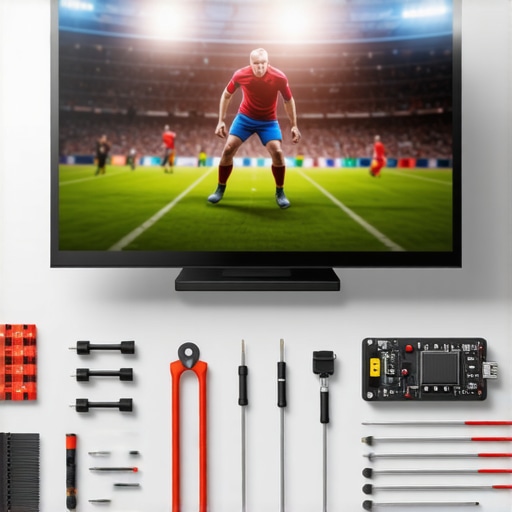
Keeping your Mini LED TV performing at its best over time requires the right tools and a bit of routine maintenance. In my experience, using specialized calibration and cleaning tools ensures your display maintains its vibrant brightness and deep contrast, preventing degradation that can occur with regular use. One of my go-to tools is the Colorimeter, such as the X-Rite i1Display Pro. This device allows me to run precise calibration checks, adjusting color accuracy, gamma, and luminance levels to keep the picture sharp and vivid. Unlike generic calibration apps, a dedicated hardware sensor can detect subtle shifts in display performance, guiding me to make exact adjustments rather than relying on guesswork.
Another essential device I recommend is a dust blower. Dust accumulation inside the TV’s vents or on the panel can lead to overheating or uneven lighting, especially with high-brightness Mini LED panels. Regularly using a gentle blower or compressed air (with caution) prevents dust buildup that diminishes contrast and brightness over time. I do this every six months, especially after cleaning or moving the TV.
On the software side, I rely heavily on calibration software like CalMAN or Portrait Displays’ ColorMunki. These programs work seamlessly with hardware sensors to create custom profiles tailored to your viewing environment. They help me fine-tune HDR settings, ensuring my Mini LED’s contrast zones perform optimally, and prevent the dreaded halo effect caused by improper local dimming adjustments. Regular calibration, say every 3-6 months, keeps the display aligned with the latest firmware improvements and content standards.
In the future, I believe the trend will shift towards smarter, automated calibration systems integrated directly into TVs. These systems will continuously monitor and adjust brightness and contrast, ensuring peak performance without manual intervention—much like how modern smartphones optimize battery life. Until then, manually maintaining your display with reliable tools remains the best approach.
If you haven’t yet, I highly recommend trying the calibration tools and software I mention. Staying proactive with your Mini LED’s maintenance will extend its lifespan, keep your visuals stunning, and future-proof your investment. Remember, a little effort now saves you from costly repairs or replacements later. For comprehensive guidance, explore advanced calibration techniques to dial in your display’s performance perfectly.
After diving deep into the world of Mini LED TVs, I discovered that the real secret lies in the nuanced interplay between brightness, contrast, and calibrations—things that often go unnoticed but make a huge difference in picture quality. One lesson that stood out to me was that peak brightness alone isn’t enough; it’s how well the TV manages contrast through local dimming zones that truly elevates the viewing experience. Investing in a model with sophisticated contrast control can transform your cinematic nights into immersive journeys. Additionally, I learned that room lighting plays a crucial role—dimming ambient lights and using bias lighting can unlock the full potential of your Mini LED display, making scenes look more vibrant and blacks deeper. For those eager to push their setup further, I highly recommend exploring calibration tools like the X-Rite i1Display Pro, which helped me fine-tune every detail and avoid common pitfalls like halos or washed-out highlights. Remember, the best visuals are the ones you optimize yourself—so don’t shy away from experimentation and calibration to uncover the hidden depths of your Mini LED TV’s performance.



Leave a Reply