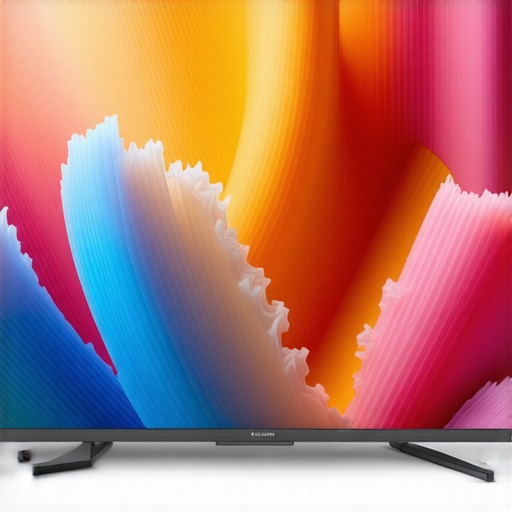
Ever sat down to watch your favorite movie or sports game, only to be disappointed by dull shadows and washed-out highlights? I’ve been there. I remember booting up my new Mini LED TV, excited for stunning visuals, only to face a frustrating lack of brightness and contrast. It was like the screen was holding back, hiding its true potential. That lightbulb moment hit me hard: I needed to learn how to truly unlock my TV’s capabilities, not just accept the default settings that most manufacturers push.
Why Brightness and Contrast Matter More Than You Think
Let’s be honest. A TV’s picture quality isn’t just about resolution or size. It’s about how vivid, detailed, and lifelike the image appears. Brightness and contrast are the backbone of this visual magic. When properly tuned, they can make scenes pop, shadows deepen, and colors become more vibrant. But if you’re like I was early on, you might be missing out because of a simple mistake or lack of knowledge.
Did you know that high dynamic range (HDR) content, which is increasingly common, relies heavily on brightness and contrast to deliver that cinematic wow-factor? According to industry experts, mastering these settings can dramatically enhance your viewing experience — often more than just upgrading to a newer model. Still, many users get overwhelmed, assuming it’s too complicated or that their TV can’t be adjusted enough to make a difference.
Is All the Fuss About Brightness & Contrast Just Hype?
Early in my journey, I made the mistake of setting my TV to the factory presets and leaving it there. Big mistake. Those factory settings are usually optimized for general use, not for appreciating the full range of HDR content. I also ignored the importance of properly calibrating contrast and brightness, which led to scenes looking flat and uninspiring. Trust me — if you skip this step, you’re leaving a lot of the magic on the table. Want to avoid my rookie errors? Keep reading. I’ll walk you through simple, practical tips to get the most out of your Mini LED TV’s brightness and contrast capabilities. And if you’re ready to dive deeper, check out our detailed guide on [HDR brightness mastery](https://miniled.ultimatehomedisplays.com/hdr-brightness-mastery-how-to-boost-your-tvs-visual-impact).
So, have you ever faced the frustration of dull visuals on your high-end Mini LED TV? If yes, don’t worry — you’re not alone. The good news is that with a few adjustments, you can transform your screen into a vibrant, eye-popping display. Let’s get started!
Set the Right Picture Mode to Unlock Full Potential
Start by selecting a picture mode designed for high contrast and brightness. Typically, “Cinema” or “Vivid” modes are better choices than the default “Standard” or “Eco.” I remember after switching from factory settings to “Vivid,” my TV’s colors and contrast instantly improved. It’s like switching from a dull sketch to a vibrant painting. Don’t just settle; experiment with different modes to see which gives you the most dynamic image.
Adjust Brightness and Contrast Separately for Better Control
Think of brightness and contrast as the engine and the brakes of a car — both need to be balanced. To do this effectively, access your TV’s advanced picture settings. Slowly increase the contrast until bright scenes start to look sharp without losing details in highlights. Then, tweak the brightness so dark scenes are visible without washing out the blacks. I recommend making small adjustments, then watching a scene with a lot of light and shadows. This iterative process helps you find the sweet spot for your content.
Utilize Scene and HDR Settings to Elevate Visuals
Modern Mini LED TVs often have scene modes or HDR enhancements. These settings are like fine-tuning your TV’s internal engine for specific content. For example, switching to an HDR mode when watching HDR movies boosts brightness and contrast dynamically. When I first enabled HDR mode and calibrated it, I noticed scenes became richer and more detailed — shadows deepened, and highlights shined brighter. To maximize this, ensure your content is HDR-compatible and that your TV’s HDR settings are enabled and calibrated. For a detailed guide on this, check out this resource.
Calibrate Using a Test Pattern or Calibration Tool
Calibration might sound complex, but it’s straightforward with a test pattern or calibration disc. I once used a free online test pattern and adjusted my contrast and brightness while watching it. The goal was to make the whites pure white without losing detail and blacks deep black without crushing shadow detail. Think of it as tuning a musical instrument — small tweaks lead to perfect harmony. For precise calibration, consider using professional calibration tools, but even simple test patterns can dramatically improve your picture.
Fine-Tune Contrast Control for Peak Brightness
Many high-end Mini LED models have contrast control features that let you push peak brightness without washing out details. This is like adjusting the beam on a flashlight — you want it to be bright enough to illuminate the room but not so harsh that it blinds you. Access your TV’s contrast control, and experiment with increasing it until scenes pop, then back off slightly to maintain detail. Don’t forget to revisit this setting periodically, especially after firmware updates or content changes.
Remember, these adjustments are not one-time fixes. Regularly revisiting your settings ensures you get the best picture for every type of content. If you want more detailed steps or advanced calibration techniques, visit this guide.
Explore Settings for Specific Content Types
Different content benefits from tailored settings. For fast-paced action movies, boost contrast to enhance depth. For dark scenes, adjust brightness so shadows are visible but blacks stay rich. Experimenting with these settings and saving profiles for different genres ensures you always see the scene as intended. Want to see some of the best Mini LED TVs with adjustable brightness and contrast? Take a look at this selection.
Seek Expert Help if Needed
If you’re overwhelmed, professional calibration services can precisely tune your TV. But for most enthusiasts, the steps above are enough to significantly improve your viewing experience. Still, if you want personalized assistance, contact us through our support page.
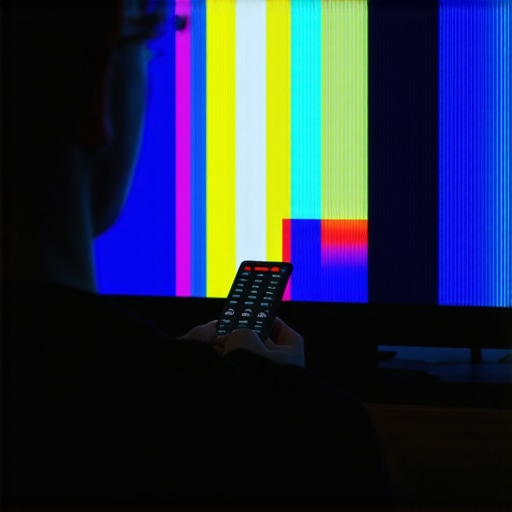
Many enthusiasts believe that simply turning up the brightness and contrast knobs on their Mini LED TVs will deliver the ultimate picture quality. While this might seem intuitive, it’s actually a common misconception that can lead to subpar visuals and even damage to your display over time. As an experienced calibrator and home entertainment enthusiast, I’ve seen firsthand how these oversimplified approaches can trap users into poor viewing habits.
One of the biggest myths is that higher contrast always equals better picture. In reality, pushing contrast too high can result in loss of detail in bright scenes, a phenomenon known as “clipping.” This means your highlights become washed out, and you lose the subtle gradations that make HDR content pop. Similarly, cranking up brightness beyond recommended levels can crush blacks and obscure shadow details, defeating the purpose of high dynamic range technology.
Why Do People Get This Wrong Despite Better Technology?
Many users rely on default factory presets or vague online advice, believing that maximum settings are the key to vivid images. But factory settings are often optimized for cost savings or energy efficiency, not for cinematic accuracy. Advanced users might tweak these controls without understanding the nuance — resulting in a visually unbalanced picture. The solution? Proper calibration using test patterns or tools like professional calibration discs helps set the right balance, preserving detail while maximizing brightness and contrast.
Another trap is neglecting the importance of scene-specific adjustments. For instance, a setting that looks fantastic during daytime scenes might wash out during night scenes. Modern Mini LED TVs often have scene modes, but these are not always optimized. Instead, understanding how to manually adjust contrast and brightness for different content types can yield more consistent results. This is supported by research from the Imaging Science Foundation, which emphasizes tailored calibration for optimal HDR performance.
What Advanced Users Should Focus On
For the seasoned enthusiast, the key isn’t just raising settings but understanding the underlying luminance and gamma curves. Adjusting these parameters in conjunction with contrast and brightness can prevent common pitfalls like black crush or highlight clipping. Additionally, utilizing tools like a colorimeter or professional calibration software can help precisely tune your display — a step beyond typical consumer-grade adjustments. If you’re serious about achieving perfect visuals, I recommend exploring this detailed guide on HDR brightness mastery.
Remember, the goal is not to maximize numbers but to optimize the dynamic range for your specific content and environment. By avoiding these common mistakes and understanding the nuanced interplay of brightness and contrast, you can unlock your Mini LED TV’s true potential. Have you ever fallen into this trap? Let me know in the comments or reach out via our contact page.
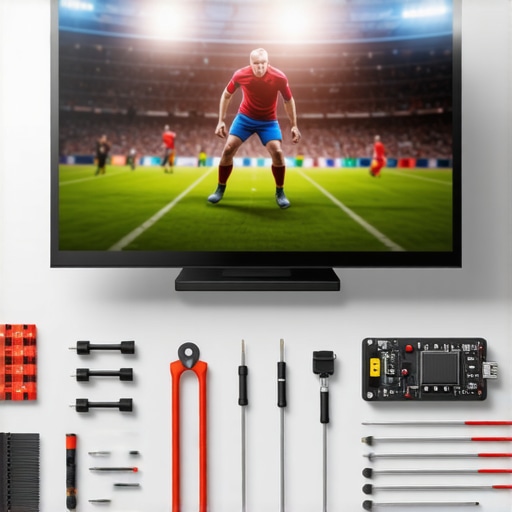
Maintaining your Mini LED TV ensures that it continues to deliver stunning visuals and reliable performance over the years. From calibration tools to routine checks, having the right equipment and knowledge can make a significant difference. As someone deeply involved in home entertainment optimization, I recommend investing in specific tools that can help you keep your display in top shape and troubleshoot issues effectively.
Invest in a Quality Calibration Device
For long-term picture quality, a professional-grade colorimeter like the X-Rite i1Display Pro is invaluable. I personally use this device because it provides precise readings of luminance, color accuracy, and gamma. Regular calibration with this tool ensures that your Mini LED TV maintains accurate color reproduction and optimal contrast levels, especially after firmware updates or environmental changes. Calibration discs like Disney’s WOW or Spears & Munsil’s test patterns are also excellent for quick adjustments, helping you fine-tune contrast and brightness without professional help.
Utilize Software for Ongoing Adjustments
Calibration software such as CalMAN or DisplayCAL works seamlessly with hardware devices and guides you through detailed adjustments. I prefer CalMAN because of its user-friendly interface and detailed reports, which help me identify subtle issues that might affect HDR performance or overall balance. Using these tools periodically keeps your display aligned with industry standards, ensuring consistent, high-quality visuals for your favorite content.
Routine Maintenance Checks
Beyond calibration, regularly inspecting your TV’s firmware is crucial. Manufacturers frequently release updates that improve color accuracy, contrast management, and overall stability. Schedule firmware updates through your TV’s menu or manufacturer’s app, and make sure to follow the instructions carefully. Additionally, keep your TV’s vents clean and avoid exposing it to extreme temperatures or direct sunlight, which can degrade performance over time.
Plan for Future Trends
As display technology continues evolving, we’re heading toward even greater integration of AI-driven calibration and adaptive picture settings. Future tools will likely incorporate real-time adjustments based on ambient lighting and content type, making maintenance even more effortless. Staying informed about these innovations, via resources like our comprehensive guides on HDR brightness mastery, will help you keep your setup cutting-edge and effortlessly optimized.
How do I maintain my Mini LED TV over time?
Consistent calibration, firmware updates, and routine cleaning are key. Use a quality calibration device periodically to check color accuracy and contrast. Keep your TV’s firmware current to benefit from performance improvements and bug fixes. And don’t forget to manage your viewing environment—reducing ambient light and avoiding heat buildup prolongs your display’s lifespan. Remember, a well-maintained TV not only looks better but also lasts longer, saving you money and frustration in the long run.
Ready to take your TV maintenance to the next level? I highly recommend trying out a professional calibration device like the X-Rite i1Display Pro. It’s a game-changer for ensuring your Mini LED TV delivers perfect visuals every time. For more detailed tips on calibration and maintenance, check out this guide.
The Hardest Lessons I Learned About Brightness and Contrast in Mini LED TVs
- Overestimating Maxed-Out Settings: I used to think cranking the contrast and brightness to maximum would give me the best picture, but I soon realized it washed out details and clipped highlights. Less is often more when it comes to dynamic range.
- Ignoring Scene-Specific Adjustments: During my calibration journey, I discovered that different scenes—bright daylight or dark shadows—require tailored settings. Static presets can’t match the finesse of manual tweaks.
- Factory Presets Are Just the Starting Line: The default settings are a baseline, not the finish line. Investing time in calibration paid off by revealing the true vibrancy and depth of my content.
- Tools Make the Difference: Using test patterns and calibration devices like the X-Rite i1Display Pro transformed my approach, turning guesswork into precision tuning. This step is crucial for serious enthusiasts.
- Balancing Brightness and Contrast Is an Art: Finding the sweet spot involves patience—incrementally adjusting and evaluating scenes. This process unlocks the full HDR potential and preserves detail in both highlights and shadows.
My Essential Toolkit for Perfect Picture
- HDR brightness mastery guide: The comprehensive resource I trust to understand how to calibrate for maximum impact.
- Contrast control essentials: A detailed guide to fine-tuning contrast for vibrant, balanced images.
- Mini LED TV models with high contrast controls: My go-to selection of models that support precise brightness and contrast adjustments.
- Support contact page: When in doubt, expert advice keeps your calibration on point.
Your Turn to Try Brightness and Contrast Tweaks
Achieving the perfect picture isn’t just about technology—it’s about understanding your content and environment. Once you master these adjustments, your Mini LED TV can deliver visuals that truly captivate. Don’t settle for dull scenes; push your display to reveal every nuance and color vibrancy. Are you ready to take your viewing experience to the next level? Share your challenges or successes below, and let’s elevate together!



Leave a Reply