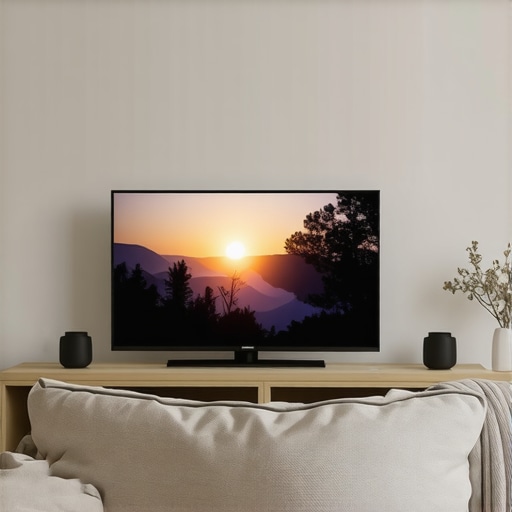
It hit me unexpectedly one evening while watching my favorite blockbuster. Despite spending a small fortune on a premium Mini LED TV, the picture just looked flat and dull. I could see the vibrant scenes slipping away into muted shadows. That moment was a lightbulb—what’s the point of investing in advanced display technology if I can’t make the most of its brightness and contrast? This realization set me on a journey to truly understand how to harness my TV’s capabilities for vivid, cinematic visuals.
Why Brightness and Contrast really matter on your Mini LED TV
Let me tell you, optimizing brightness and contrast isn’t just about making things look good. It’s about experiencing content as the creators intended. If your TV’s brightness isn’t sufficient, you’ll miss out on details hidden in shadows or bright highlights. Conversely, poor contrast control leads to washed-out images where everything blurs together.
Mini LED technology has revolutionized home entertainment with its ability to produce intense brightness and deep blacks simultaneously. That contrast is what makes scenes pop, whether it’s the glow of a city skyline at night or subtle texture in a mountain landscape. When these features aren’t properly calibrated, your visuals suffer, and the immersive experience diminishes.
But here’s the catch: many users, myself included early on, make common mistakes that hinder their viewing experience. One glaring slip-up is neglecting to fine-tune contrast control, which can lead to dull images or blown-out highlights. I once relied solely on default settings, thinking they’re optimized for everyone. Turns out, they aren’t. Custom adjustments can unlock the full potential of your Mini LED display.
Want to discover how to boost your HDR brightness and contrast for stunning visuals? I’ll guide you through practical tips and tricks so your TV doesn’t just look good in the shop window— it transforms your living room into a cinematic haven. Ready to take your picture quality to the next level? Let’s dive into the details.
Is the hype around HDR brightness real or just marketing noise?
When I first heard about HDR and high brightness levels, I was skeptical. It seemed like another flashy feature to lure buyers. But a quick mistake I made was neglecting to adjust my TV’s HDR settings, resulting in scenes that looked lifeless. According to experts, the proper calibration of HDR brightness can vastly improve your viewing experience, making colors more vibrant and scenes more impactful (learn more here). This understanding helped me appreciate that the technology isn’t just hype—it’s a game changer when used correctly.
If you’ve faced similar frustrations or questions, you’re not alone. Many stumble because they don’t realize that the standard factory settings aren’t optimized for vivid visuals or high dynamic range. The good news is, with a few adjustments, you can fix that—and I’ll show you how.
Dialing in Your Settings: Step-by-Step Guide
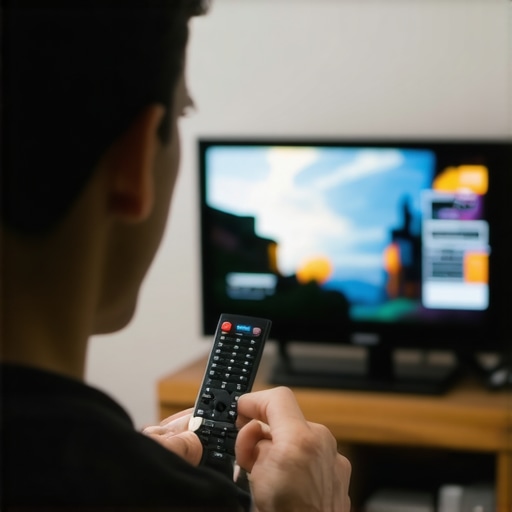
Start with the picture mode: switch to ‘Movie’ or ‘Custom’ mode, which are more flexible for manual adjustments. Access your TV’s menu using the remote, then navigate to picture settings. Adjust the ‘Backlight’ slider to its maximum for Mini LED TVs, which allows the LEDs to shine brightly without affecting the contrast. Next, tweak the ‘Contrast’ setting to enhance how bright whites and dark blacks differ, making scenes pop with depth. Be cautious: setting contrast too high can cause clipping, making bright areas look washed out. Use the surrounding scenes as your guide, especially HDR content, to find the sweet spot.
Fine-Tuning Brightness for Impactful Scenes
Brightness controls the luminance of light areas, influencing how dazzling or subdued a scene appears. For HDR content, increase the ‘Brightness’ setting gradually while observing scenes with bright highlights—like sunlight or neon signs. On one occasion, I increased brightness during a night cityscape, which revealed subtle details in shadowed alleys previously hidden. This adjustment brought the scene alive, but overdoing it washed out highlights. Always compare before and after to avoid losing contrast or detail. Remember, the goal is to achieve a natural, immersive glow, not an artificially bright look. For expert advice, check out Mini LED brightness tips.
Matching Contrast with Your Viewing Environment
Contrast is about the difference between the darkest black and the brightest white. It’s crucial for depth perception and realism. To optimize contrast, calibrate your TV when the room is dim, avoiding ambient light that can flatten image depth. Reduce any local dimming or auto contrast features unless specifically calibrated, as they can cause flickering or loss of detail. During my setup, I disabled auto contrast, which initially made images look flat, but after dialing it down, blacks appeared deeper and whites brighter without loss of detail. Use a test pattern with high contrast nuances to verify adjustments. For in-depth steps, refer to contrast control essentials.
Overcoming Common Pitfalls
Many users, myself included, set the contrast and brightness too high, which can cause ‘clipping,’ where bright areas lose detail. Conversely, setting them too low results in a dull picture. A good practice is to adjust these settings incrementally: tweak, then watch a scene with a wide range of brightness—like a sunny landscape or a night scene with streetlights. To avoid pitfalls, consider using calibration tools or reference content designed for this purpose, such as test patterns. Remember, optimal settings are context-dependent; what looks good in a brightly lit room won’t be perfect in darkness. For comprehensive calibration techniques, explore HDR calibration guides.
Many enthusiasts focus on the flashy specs like QLED technology or ultra-high HDR brightness, but the truth is, a lot of common beliefs about these features are misleading. Popular myths often lead viewers to make suboptimal choices, thinking that brighter is always better or that contrast settings are universally set-it-and-forget-it. In reality, understanding the nuanced interplay between these elements can dramatically improve your viewing experience.
One widespread misconception is that increasing HDR brightness alone guarantees vivid, cinematic images. While a higher peak brightness can enhance highlights, it doesn’t automatically translate into better picture quality. Overexposing your display in an attempt to boost brightness can cause loss of detail in bright areas, especially in scenes with contrasting elements. Experts from the home display industry emphasize the importance of dynamic contrast management over raw brightness numbers (see more here).
Another trap is the assumption that contrast control is a simple matter of maxing out settings. Adjusting contrast without considering ambient lighting or the content type can lead to bubbly blacks or crushed whites, hampering the overall picture depth. It’s vital to fine-tune contrast in darker rooms and calibrate it for different content genres. One advanced mistake is relying solely on factory presets, which are often tuned for generic viewing conditions rather than your specific environment.
Now, a common myth surrounds Mini LED technology itself. Many believe that Mini LED automatically means superior contrast and brightness. In practice, this isn’t the case: quality depends heavily on how the local dimming zones are controlled. The effectiveness of contrast hinges on proper calibration, which some users overlook, leading to scenes that seem dull despite the hardware’s potential (learn more here).
For more advanced viewers, a pressing question might be: How can I optimize these settings to match my viewing environment without falling into common pitfalls? The key is understanding the delicate balance among peak brightness, contrast control, and ambient light adaptation. Proper calibration—not just increasing settings—ensures vivid, accurate images that don’t strain your eyes or wash out scene details.
To avoid the typical mistake of simply maxing out brightness and contrast, consider comprehensive calibration methods or professional tools designed for home displays. Even experts recommend tailored adjustments over generic presets, especially for premium displays like QLED or Mini LED. Want to unlock your TV’s full potential? Dive into trusted guides that explore these nuances in detail, such as contrast control techniques.
Have you ever fallen into this trap? Let me know in the comments, and share your own experiences with optimizing TV settings. Remember, the real magic happens when you understand these details—your picture will thank you.Maintaining your Mini LED TV’s peak performance isn’t just about initial calibration; it requires ongoing care and the right tools. To ensure your investment continues to deliver stunning visuals, I recommend using a combination of professional calibration hardware and specialized software. One of my go-to tools is the **ColorCal Pro**, a colorimeter that provides accurate readings of luminance and color accuracy. I personally use it during periodic recalibration sessions to fine-tune contrast and HDR settings, ensuring consistency over time. Paired with calibration software like **CalMAN** or **HCFR**, these tools allow for precise adjustments that factory settings can’t match, especially as your display ages or ambient lighting conditions change.
Additionally, investing in a **dedicated light meter** can help you understand your room’s lighting environment. This knowledge is crucial because ambient light significantly impacts contrast perception, and adjusting your TV’s settings accordingly can make a noticeable difference in picture quality. I often perform calibration in the evening with controlled lighting to prevent ambient light from skewing my measurements.
For routine maintenance, keep your TV’s firmware updated. Firmware updates often include performance improvements and bug fixes related to contrast control and local dimming functionalities. Manufacturers like Samsung or LG provide software updates via their official apps or websites—check regularly to stay current.
Looking ahead, I predict that automatic calibration features integrated into smart TVs will become more sophisticated, possibly leveraging AI to adjust settings in real-time based on ambient conditions, content type, and viewing habits. This evolution will reduce the need for manual adjustments and make high-quality visuals more accessible.
How do I maintain consistent picture quality over time?
To keep your Mini LED TV performing optimally over time, schedule bi-annual calibration sessions using hardware tools like the ColorCal Pro, especially after firmware updates or changes in your room’s lighting. Clean your TV’s screen gently with a microfiber cloth to prevent dust and smudges that can affect contrast perception. Additionally, avoid leaving static images on the screen for extended periods to prevent burn-in, which can degrade contrast control precision. Regularly reviewing and adjusting your settings with accurate tools ensures your display maintains its cinematic quality and prevents drift from initial calibration. For detailed guides on calibration, visit this comprehensive resource.
Incorporating these tools and routines into your maintenance regimen will preserve the vibrant contrast and HDR brightness that Mini LED technology promises. Don’t wait for picture quality to fade—invest in proper upkeep now. Why not start by testing your display with a calibration tool this weekend? It’s easier than you think and can dramatically improve your viewing experience.
Over time, I’ve realized that the most profound improvements in my Mini LED TV experience came not from hardware upgrades but from the lessons I learned about calibration and the subtleties of contrast and brightness. Here are some unexpected insights that transformed my approach—and they might do the same for you.
What I Wish I Knew About Seeing Beyond the Specs
- Peak brightness isn’t everything: I used to focus solely on high nits, assuming more brightness meant better visuals. But I discovered that without proper contrast and local dimming calibration, those high brightness figures are just numbers. True cinematic quality depends on how well contrast is managed alongside brightness.
- The devil is in the details: Small adjustments to contrast and backlight can make a world of difference. I learned that perfection lies in finetuning these settings while observing scenes with a full range of luminance, rather than relying on presets, which often over-simplify complex visual needs.
- Ambient environment matters: Calibrating in a brightly lit room versus a dark room yields different optimal settings. I found that adapting contrast and brightness to my viewing conditions made my Mini LED’s performance truly stand out.
Your Path to Vivid Memories Starts Here
Armed with these insights, I invite you to explore further and invest in tools like a colorimeter or calibration software, which can elevate your TV’s performance to professional levels. Dive into comprehensive guides or consider professional calibration services if you’re serious about picture perfection. Remember, every scene becomes more immersive when your display settings are finely tuned for your environment and content type.
Embrace Your Inner Visual Artist
There’s a special magic in knowing that your TV is performing at its peak, revealing every shadow and highlight exactly as intended. Don’t let unfamiliarity or reliance on default settings hold you back. Take the plunge—adjust, calibrate, and enjoy scenes bursting with life. Your cinematic experience can be so much richer, and you deserve it. Are you ready to turn your living room into a true home theater?
Have you ever struggled with finding the perfect contrast or HDR brightness for your Mini LED TV? Share your experiences below and let’s learn together!


Leave a Reply