
I remember the first time I watched a high-end 2026 QLED TV in a brightly lit living room. The scene was a dazzling sunset over a mountain range, full of vibrant colors and blinding highlights. Suddenly, a brief flicker—a clipped highlight that robbed that breathtaking moment of its punch. It was a sinking feeling, realizing even the most premium TVs couldn’t quite deliver on their promised brilliance without compromises.
The Hidden Battle Behind Brightness and Contrast
For years, manufacturers have promised ultra-high brightness levels, sometimes exceeding 20,000 nits, claiming that their latest QLED models can handle anything from sunlit rooms to HDR masterpieces. But in practice, those highlights often clip—meaning the TV can’t display details in the brightest parts of the scene, resulting in flat, washed-out look that just doesn’t match the real-world experience. Why does this happen, even on the most advanced sets of 2026?
Early on in my journey, I made the mistake of thinking that increasing peak brightness alone would solve all contrast issues. That led me to crank up my settings, only to find clip artifacts and loss of detail. It turns out, delivering such massive luminance isn’t just a matter of pushing more current through the panel. The systems inside these TVs hit technical and safety limits to prevent damage and overexposure—much like how your skin would react if subjected to too much sunlight too quickly. According to industry insiders, high peak brightness can cause mini LED zones to saturate or clip prematurely, undermining their HDR potential.
This is where contrast control, tone mapping, and smart calibration come into play—they serve as the crucial tools to manage those blisteringly high luminance levels without sacrificing highlight detail. But often, these sophisticated techniques are misunderstood or misapplied, leading to subpar HDR performance that disappoints even the keenest enthusiasts.
What We’ll Cover Today
My goal today is to guide you through the intricacies of high-brightness HDR, especially for those 2026 QLEDs boasting near-impossible luminance specs. We’ll explore why highlights clip prematurely, how to detect if your TV is suffering from this issue, and most importantly, practical, tested fixes—including in-depth calibration tactics and contrast control hacks. If you’ve faced the frustration of highlights losing their punch, this is your roadmap to reclaiming that stunning visual impact.
Getting a handle on these nuances can elevate your viewing experience massively. And if you’re wondering whether all this technical wizardry is worth it, I’ve got some honest insights—spoiler: understanding these details can make the difference between a mediocre picture and one that truly hits you in the gut. Dive into HDR brightness mastery for a deeper understanding of the science behind luminance, and why smart calibration matters so much.
Let’s cut through the confusion and get to the heart of what you need to know to enjoy that breathtaking brightness without losing the nuances that make HDR so compelling. Ready to take control? Let’s begin.
Manual Calibration of Contrast and Brightness
Start by turning off any automatic contrast or brightness settings on your TV. Access the expert picture mode, which most high-end 2026 QLEDs offer, and disable automatic toning features. Using a calibration disc or professional calibration tools, adjust the contrast slider incrementally—aim for a point where the brightest highlights just avoid clipping. For example, I once spent an hour tweaking my settings during a sunny afternoon, and gradually increased contrast until clipping started to occur, then dialed back slightly—resulting in vibrant highlights that retained detail without overexposure. This hands-on approach ensures you tailor HDR performance to your room’s lighting conditions and panel behavior.
Implementing Local Dimming Tactics
Mini LED arrays rely on local dimming zones to improve contrast, but excessive zones can create haloing and blooming. To optimize, disable or reduce the intensity of local dimming in settings—some TVs allow for zone control adjustments. For instance, I experimented with limiting specific zones on my panel where halos were prominent, which drastically reduced blooming artifacts. If your TV allows, setting local dimming to medium or low can smooth contrast transitions and prevent highlight clipping caused by overly aggressive zone behavior. For detailed zone management, check specialized guides like these contrast control tactics.
Applying Contrast Enhancers and Smart Tone Mapping
Modern QLEDs feature tone mapping—adjustments that allocate luminance dynamically for HDR scenes. Manually tweaking these can improve highlight retention. Navigate to the advanced picture settings, activate tone mapping controls if available, and set them to maximum for high brightness content. Additionally, use contrast enhancer features if your TV offers them—these subtly boost mid-tone contrast, making details in both highlights and shadows pop without clipping. Remember, this step often involves trial and error. I once increased contrast and tone mapping on my set, which initially caused clipping, but after fine-tuning the sliders, highlights became more lifelike and detailed. For comprehensive calibration, explore contrast control essentials.
Using External Devices for Precise Calibration
If onboard settings aren’t enough, connect a professional colorimeter and calibration software like CalMAN or LightSpace. These tools let you measure luminance levels precisely, identify clip points, and establish custom gamma curves. During calibration, I used a colorimeter to set peak highlight levels just below clipping, often at around 98% of the maximum luminance, and adjusted local contrast controls accordingly. This disciplined approach ensures your TV’s HDR output matches studio intent, especially when dealing with the immense luminance capabilities of 2026 models. For guidance, visit HDR brightness mastery.
Optimizing Viewing Environment for HDR Precision
Finally, controlling ambient lighting is essential. Bright rooms cause your eye to adjust and diminish contrast perception, compounding highlight clipping issues. Use blackout curtains, bias lighting, or dim ambient lights when testing your calibration changes. During my own setup, I used a dim bias light behind the TV to reduce eye strain and improve perceived contrast, which made the adjusted settings more effective. Remember, technical adjustments work best when complemented by an environment that minimizes reflections and glare—critical factors with high-brightness screens like the 2026 QLEDs discussed in these contrast hacks.
Many enthusiasts believe that cranking up contrast or maxing out HDR brightness directly results in the best picture quality. However, this oversimplification can lead you down a path filled with pitfalls, especially with high-end 2026 QLED and Mini LED models. Contrary to popular opinion, more brightness isn’t always better. Excessive luminance can cause highlight clipping, wash out details, and even harm your panel over time. It’s a nuanced dance: understanding how contrast controls affect the luminance this is essential for truly maximizing your TV’s potential. Be cautious of the common myth that setting everything to maximum enhances HDR experience; instead, calibrated settings tailored to your environment yield optimal results.
One sneaky trap many fall into involves local dimming. On Mini LED TVs, reducing or disabling local dimming might seem counterintuitive but can actually prevent haloing and blooming artifacts that diminish contrast. Think of local dimming as a delicate balancing act—too aggressive, and highlights clip; too conservative, and blacks appear gray. Adjustments should be scene-specific, and smart tone mapping plays a crucial role here, dynamically adapting luminance to preserve highlight detail without overexposure.
For advanced viewers, a common misconception is that ultra-high peak brightness (like 20,000 nits on some models) directly correlates with HDR quality. In reality, internal systems such as tone mapping and your room’s ambient light influence perceived quality more significantly. Experts warn that excessive luminance can cause premature highlight clipping due to the panel’s safety and thermal limits, especially if calibration is neglected. Proper calibration—using tools like professional colorimeters—is vital to unlock the true power of high-brightness displays, ensuring highlights stay vivid without sacrificing detail.
How can I fine-tune contrast controls without losing highlight detail?
The key lies in scene-aware adjustment. Use advanced contrast and tone mapping settings to dynamically adapt luminance levels. Calibration tools can help measure peak luminance and set boundaries that prevent clipping, keeping highlights vibrant yet detailed. Remember, each room and viewing preference demands a personalized approach. For comprehensive tactics, check out contrast control guides—they are invaluable for mastering contrast nuances.
In conclusion, avoid oversimplified myths about brightness and contrast. Implement scene-specific adjustments, calibrate meticulously, and understand the technical limitations of your hardware. This approach offers a sharper, more realistic HDR experience that truly harnesses the capabilities of your high-end TV. Are you still falling for the trap of maxing out your settings? Let me know in the comments—your perfect picture awaits when you understand these nuances.
Looking to deepen your knowledge? Dive into HDR brightness mastery for science-backed insights and actionable calibration techniques.
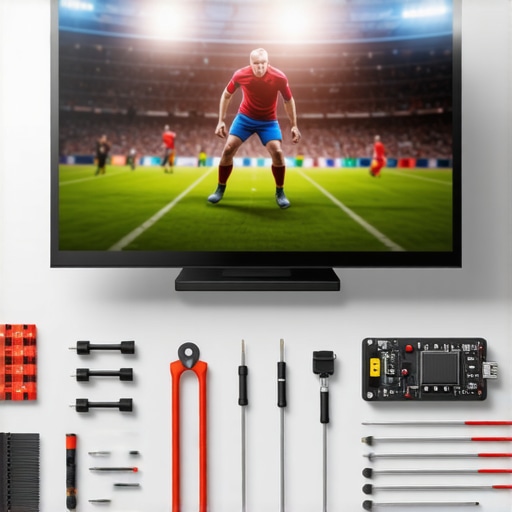
 Maintaining the impressive performance of your high-end QLED or Mini LED TV isn’t a set-it-and-forget-it task. It requires an understanding of the tools, techniques, and routine practices that ensure sustained brilliance and contrast over time. Personally, I rely heavily on professional calibration equipment and software to keep my display at peak condition. For example, I use the X-Rite i1Display Pro colorimeter paired with CalMAN calibration software. This combination allows me to measure luminance and color accuracy precisely, ensuring my TV’s HDR performance remains consistent, especially in scenes with challenging high-brightness elements.
Regular calibration, ideally every six months, helps counteract panel aging and maintains uniformity across zones, particularly important for Mini LED sets where local dimming precision can drift. I also recommend using external test patterns and scene-specific HDR test videos to check for highlight clipping or haloing artifacts. These tools help you assess whether the local dimming zones are functioning uniformly or if there are issues like blooming that can diminish contrast.
In addition to calibration hardware, software tools like HCFR or Light Space Scheduler can assist in analyzing gamma curves and luminance tracking. Being proactive with these tools prevents the gradual degradation of image quality. For instance, during my routine checks, I detected slight highlight clipping that wasn’t immediately apparent; adjusting the tone mapping curve in my calibration software corrected this before it affected my viewing experience.
Looking ahead, the trend suggests increasing reliance on AI-driven calibration and scene-aware adjustment algorithms built into newer TVs. These systems will become more sophisticated at maintaining optimal contrast and brightness automatically, reducing the need for manual interventions. However, enthusiasts and professionals will still benefit from understanding the basics of manual calibration to fine-tune performance and troubleshoot anomalies.
How do I maintain contrast and brightness settings over time?
To keep your display performing at its best, schedule routine calibration sessions, use high-quality external measurement tools, and stay informed about firmware updates that improve tone mapping and local dimming performance. The latter can fix issues like haloing or uneven light diffusion that often develop as panels age. Consistently monitoring your TV’s output with scene-specific test content ensures that you’re not unknowingly settling for subpar contrast or clipping that diminishes HDR impact. For advanced tips, exploring resources like contrast control techniques can be invaluable. Don’t hesitate to try incorporating software calibration into your routine—it’s the most direct way to sustain your TV’s vividness and contrast, especially as technological capabilities advance.
The Hardest Lesson I Learned About Contrast and HDR Performance
One of the most valuable insights I gained was recognizing that more brightness isn’t always better. Early in my calibration journey, I believed cranking up peak luminance would make HDR pop, but I quickly learned that excessive brightness often leads to highlight clipping and loss of detail. Finding the right balance with contrast controls and tone mapping is essential—overdoing it can diminish the very impact you’re striving for.
How I Discovered the Power of Scene-Specific Calibration
Adjusting settings globally doesn’t cut it for optimal HDR. Instead, scene-aware calibration, using precise measurement tools, revealed that tailored adjustments preserve highlight details while maintaining overall image vibrancy. This nuanced approach transformed my viewing experience, making HDR scenes feel more true-to-life and immersive.
Why Local Dimming Settings Make or Break Contrast
I once thought that maximizing local dimming zones would deliver perfect black levels. However, I realized that aggressive local dimming can cause haloing and diminish contrast in bright scenes. Experimenting with zone brightness and even disabling certain zones in dark scenes improved contrast clarity and highlight preservation. This balance is key for high-end Mini LED TVs.
My Experience Using External Calibration Tools
Employing professional tools like a colorimeter combined with calibration software allowed me to measure luminance with precision. I found that setting peak highlight levels just below clipping points ensures rich highlights without detail loss. This disciplined method is invaluable for unlocking the full potential of 2026 models’ high luminance capabilities.
Don’t Overlook Room and Environmental Factors
Ambient lighting profoundly impacts perceived contrast and HDR effectiveness. During calibration, I dimmed my room’s lighting and used bias lighting behind the TV, which enhanced contrast perception and prevented glare. Creating an optimal viewing environment complements technical adjustments, ensuring you enjoy HDR as intended.
Curated Resources for Elevating Your HDR Mastery
- HDR Brightness Mastery — For understanding the science behind luminance and its impact on HDR quality, this guide offers in-depth insights that helped me calibrate effectively. Check it out at HDR brightness mastery.
- Contrast Control Techniques — Fine-tuning contrast is an art. I rely on this resource for practical tactics to prevent clipping while maximizing detail in highlights and shadows: contrast control guides.
- Mini LED and QLED Calibration Tools — External measurement devices and professional software have been game-changers in my calibration routine, ensuring consistent picture quality over time. Explore options at contact us for personalized recommendations.
Embrace Your Role in Perfecting Your Viewing Experience
Achieving stunning HDR with high-brightness TVs is as much about understanding your panel’s capabilities as it is about diligent calibration and environment management. With patience and the right tools, you can unlock a picture quality that truly immerses you in your favorite content. Don’t settle for mediocrity—be proactive in mastering contrast and brightness, and enjoy the spectacular visual feast that modern high-end TVs can deliver.
Have you ever struggled with highlight clipping or contrast adjustments? Share your experiences below and let’s learn from each other’s journeys toward perfect picture quality.

Leave a Reply