Picture this: I was binge-watching my favorite sci-fi series last weekend, fully immersed in the vibrant world on my new mini LED TV. Suddenly, a scene burst into dullness—colors washed out, contrast barely noticeable. Frustration hit me hard. That was my lightbulb moment: understanding how crucial HDR brightness and contrast control are for truly stunning visuals. If you’ve ever felt your TV’s picture doesn’t live up to its potential, you’re not alone—and today, I promise to show you how to fix that.
Why Bright HDR and Contrast Matter More Than Ever
In a world where streaming services and 4K content dominate, the quality of your TV’s display can make or break your viewing experience. Mini LED TVs are hailed for their impressive brightness and deep contrast, but getting the most out of them requires more than just buying the latest model. It’s about how you tune and control the HDR brightness and contrast to match your room’s lighting and your personal preference. Believe me, once I started adjusting these settings, the difference was night and day. The colors popped, blacks became truly black, and the overall vividness made every scene feel cinematic. According to industry experts, proper contrast and brightness control can enhance visual depth, making your favorite content come alive like never before. So, if you’re tired of dull images and want your TV to perform at its best, mastering these elements is the way to go.
Have You Faced This Problem with Your TV?
Maybe you’ve noticed that bright scenes look washed out or dark scenes lack detail. Perhaps you’ve tried fiddling with picture settings, only to end up with oversaturated or flat images. Trust me, early on I made the mistake of setting my contrast too high or ignoring HDR calibration, which only worsened the picture quality. That’s why understanding how to optimize these settings is crucial for enjoying cinematic visuals at home.
If this resonates with you, don’t worry. We’re about to dive into practical tips and expert insights that will help you unlock your TV’s full potential. Ready to transform your viewing experience? Let’s get started with some key concepts you need to know about HDR brightness and contrast control in mini LED TVs. For a deeper dive into the technology behind these displays, check out QLED TV technology.
Set the Foundation by Accessing Your Picture Settings
Start by navigating to your TV’s main menu and selecting the picture or display settings. Think of this step as opening the toolbox before fixing a machine—it’s essential. I remember the first time I did this; I was overwhelmed by the options, but focusing on brightness and contrast was the key to a noticeable improvement. For detailed guidance, visit Mini LED TV innovation.
Adjust HDR Brightness for Vivid Scenes
Use HDR-Specific Settings
Look for HDR or HDMI Deep Color modes on your TV. Set these to maximize HDR content impact. When I first tweaked HDR brightness, I started with a moderate level and increased it gradually while watching a bright scene. The goal is to make highlights pop without causing glare or losing detail. This process is akin to adjusting a camera’s exposure—small tweaks matter. For expert tips, check out HDR brightness mastery.
Fine-Tune Contrast for Deep Blacks and Bright Whites
Set the Contrast Level Carefully
Contrast control determines how vivid the difference is between the darkest blacks and brightest whites. Too high, and blacks could become gray; too low, scenes look washed out. I recommend setting contrast in small increments, then inspecting dark and bright scenes. Remember, contrast is like a dimmer switch—gradual adjustments yield the best results. For detailed contrast control techniques, visit Contrast control essentials.
Utilize Calibration Tools and Presets
If your TV supports calibration modes or professional calibration, use these options. Alternatively, many TVs have preset modes like Cinema or Movie that are optimized for HDR. I experimented with different presets and adjusted brightness and contrast afterward. This trial-and-error approach helped me find a balanced picture. For more advanced calibration techniques, see HDR and contrast optimization.
Adjust Room Lighting for Best Results
Since mini LED TVs excel in high brightness and contrast, ambient lighting plays a crucial role. Dimming the room enhances contrast perception, making blacks appear deeper. I used a dimmer switch during my adjustments, which made a significant difference. Remember, the goal is harmony between your TV settings and room environment. For more on ambient considerations, check out Room lighting tips for vivid visuals.
Test with Different Content Types
After initial adjustments, play various content—HDR movies, sports, and gaming—to see how your settings hold up. I found that a tweak for bright scenes sometimes made dark scenes less detailed, so I refined my contrast for balance. Think of this as tuning a musical instrument; it requires listening to different sounds. For comprehensive testing strategies, visit Content testing tips.
Many enthusiasts believe that simply increasing the HDR brightness or contrast settings will yield the best picture quality on mini LED and QLED TVs. However, this is a misconception that can lead to poor image performance and even damage to your display. Let’s dig deeper into what most people overlook, and why understanding these nuances can significantly elevate your viewing experience.
Why Over-Adjusting Can Backfire
One of the biggest myths is that maxing out HDR brightness or contrast will make scenes more vivid. In reality, pushing these settings too high often results in clipped highlights, loss of detail, and unnatural images. For example, overly bright highlights can cause blooming artifacts, especially on mini LED panels with local dimming zones. Industry experts warn that such overcorrections distort the original content’s intent and reduce overall picture fidelity. To avoid this, always aim for a balanced setting that preserves detail without sacrificing contrast or causing glare. For comprehensive calibration techniques, visit contrast control essentials.
The Trap of Dynamic Contrast Modes
Many TVs come with dynamic contrast or auto-brightness modes that promise to optimize picture quality on-the-fly. But these features can be a double-edged sword. They often lead to inconsistent viewing experiences, where scenes appear overly dark or unnaturally bright, depending on the content’s average luminance. Advanced users recommend disabling these modes and manually fine-tuning static contrast and brightness settings for consistency and accuracy. Experts like those at Ultimate Guide to HDR contrast advise that precise manual calibration beats automatic adjustments for professional-quality results.
How Room Lighting Affects Your Settings
A common oversight is neglecting ambient lighting. Bright rooms demand higher contrast and brightness, but excessive adjustments can wash out dark scenes or cause glare. Conversely, in dim environments, lowering these settings enhances perceived contrast and depth. Remember, the optimal configuration is a harmony between your TV’s settings and room conditions. For tips on ambient light optimization, see Room lighting tips. Have you ever fallen into this trap? Let me know in the comments.
Advanced Question: Why Do Some Content Types Require Different Settings?
High dynamic range content like HDR movies benefits from higher contrast and brightness, but fast-paced sports or gaming might require more nuanced adjustments to prevent artifacts and motion blur. The key is understanding content-specific calibration. Experts recommend creating multiple presets tailored for different scenarios, ensuring optimal visual quality across all types of content. For more detailed advice, check content-specific calibration strategies.
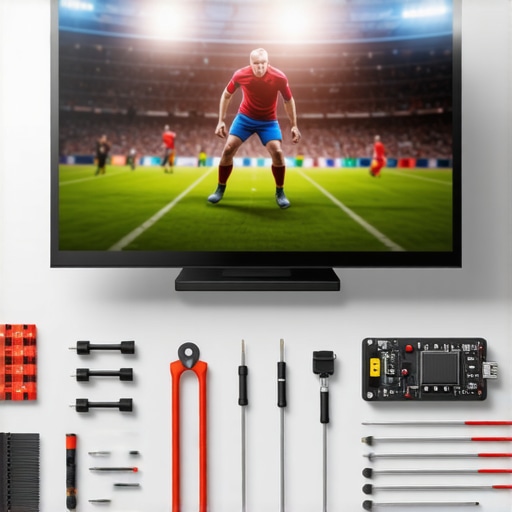
Keeping your mini LED TV performing optimally over time requires more than just initial calibration. Regular maintenance, the right tools, and a strategic approach can extend the life of your display while ensuring consistent brightness and contrast, especially in HDR content. One of my favorite methods involves using dedicated calibration software alongside precise measurement tools to fine-tune settings periodically. This proactive approach prevents issues like contrast degradation or brightness loss, which can occur with prolonged use.
For accurate adjustments, I rely on a colorimeter like the X-Rite i1Display Pro Plus, which I personally use to measure luminance levels and color accuracy. This device provides real-time feedback, allowing me to tweak HDR brightness and contrast with confidence. Calibration software such as CalMAN or DisplayCAL seamlessly integrates with these measurement tools, guiding you through detailed adjustments that ensure your mini LED panel maintains peak performance. In my experience, these tools help identify subtle shifts in display quality long before they become noticeable to the naked eye.
As technology advances, I believe the trend toward automated calibration and AI-driven adjustments will become more prevalent. Future mini LED TVs might include built-in sensors that continuously monitor display health and automatically optimize settings, reducing the need for manual intervention. Until then, investing in reliable calibration tools and performing regular check-ups remains the best way to preserve your TV’s vivid HDR brightness and contrast control.
How do I maintain my mini LED TV’s picture quality over time?
Start with periodic calibration using a colorimeter and professional software, ideally every six months or after significant firmware updates. Keep the screen clean using a soft microfiber cloth and avoid harsh chemicals that can damage the panel. Additionally, monitor the room lighting conditions and adjust your contrast and brightness settings accordingly, as fluctuating ambient light can affect perceived picture quality. Remember to disable dynamic contrast modes, which can cause inconsistent performance over time, and instead set static adjustments for more stable results. For detailed guidance, check out mini LED TV maintenance tips.
To ensure long-term brightness and contrast, I also recommend avoiding static images that can cause burn-in, especially if your TV supports OLED-like features. Using screen savers and enabling pixel shift features helps distribute wear evenly across the panel. Lastly, keeping your firmware updated ensures your TV benefits from the latest enhancements in contrast control and HDR processing, further extending its lifespan and visual fidelity.
In summary, combining regular calibration with proper room lighting, cautious usage, and the right hardware tools will keep your mini LED TV shining brightly and delivering deep blacks for years to come. Don’t underestimate the power of proactive maintenance—your future self will thank you for it!
Through my journey of optimizing my mini LED TV, I discovered some invaluable lessons that transformed my viewing experience. First, I realized that pushing the HDR brightness and contrast to maximum levels often backfires, causing loss of detail and unnatural images. It’s about finding that sweet spot where highlights shine without clipping and blacks stay deep, which requires patience and a keen eye. Second, I learned that ambient room lighting dramatically influences how your calibrations look; a dimmer room enhances contrast and makes blacks appear richer, while bright rooms demand different adjustments. Lastly, I understood the importance of regular calibration, not just once but periodically, using tools like a colorimeter. This proactive maintenance preserves your TV’s vividness over time and prevents performance degradation. These insights taught me that achieving cinematic quality is less about raw settings and more about understanding how to tailor your display to your environment and content.
My Secret Arsenal for Perfect HDR and Contrast Control
Over the years, I’ve curated a set of tools and resources that help me optimize my mini LED TV’s picture. A standout is the Ultimate Guide to HDR Brightness and Contrast, which offers detailed calibration techniques that I trust implicitly. For measuring luminance and color accuracy, I rely on my X-Rite i1Display Pro Plus device, complemented by calibration software like CalMAN. These tools allow me to fine-tune the settings with confidence, ensuring consistent performance. Additionally, I follow the latest reviews and tutorials on Mini LED innovation, which keep me updated on new features and calibration techniques. Having a solid toolkit makes all the difference between mediocre pictures and truly stunning visuals.
Ignite Your Passion for Better Visuals Today
If you’re eager to elevate your mini LED TV experience, remember that mastering HDR brightness and contrast control isn’t a one-time task. It’s an ongoing journey of learning and adjustment that pays off with breathtaking scenes, vibrant colors, and deep blacks. You don’t need to be a professional to get started—just curiosity and a willingness to experiment. Your TV has incredible potential waiting to be unlocked, and with the right knowledge and tools, you can turn your living room into a cinematic paradise. So, why not take the first step today and see how much your viewing pleasure can improve? The future of vivid, immersive entertainment is within your reach. Dive in, experiment, and enjoy every moment of your enhanced visuals.
,

Leave a Reply